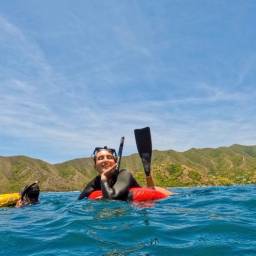
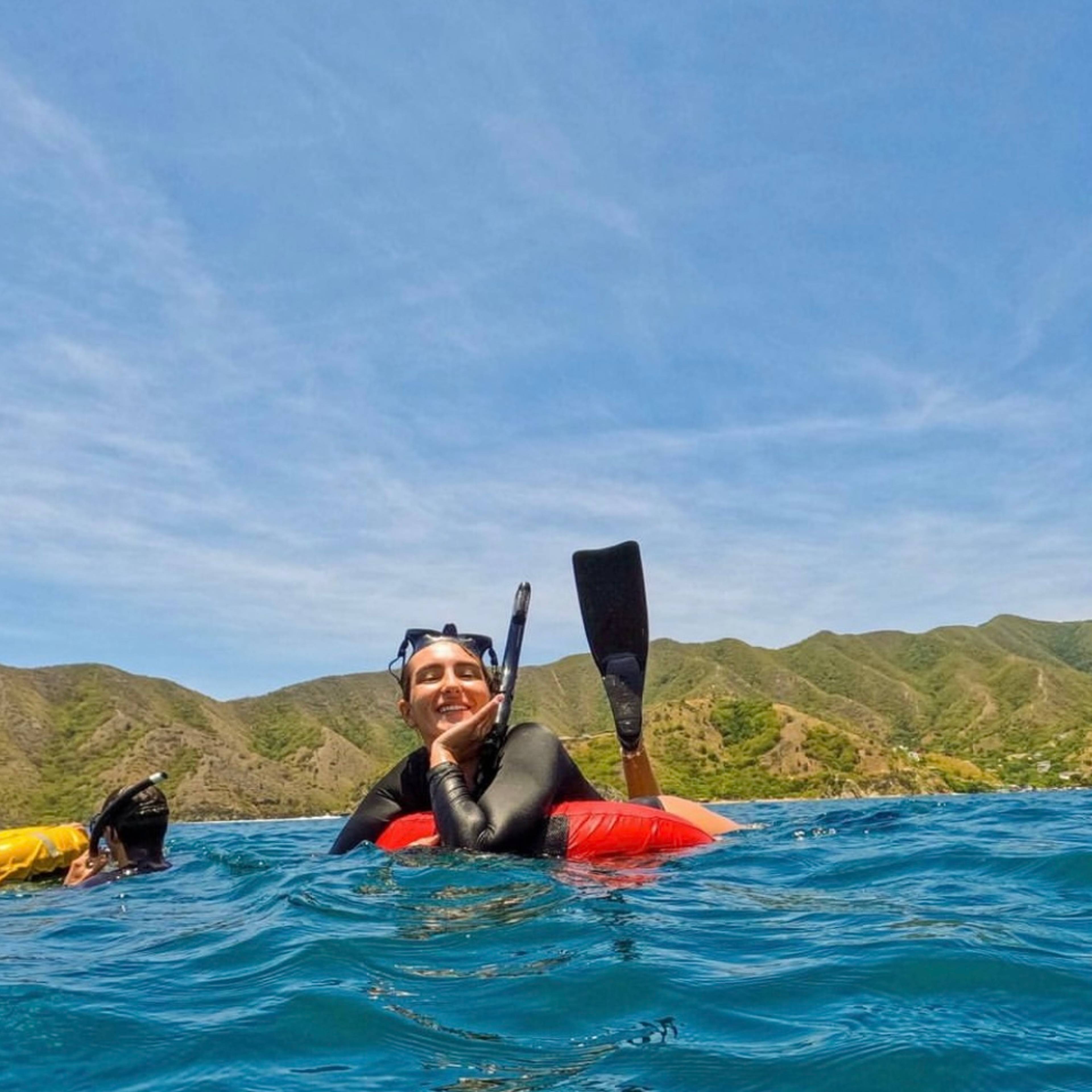
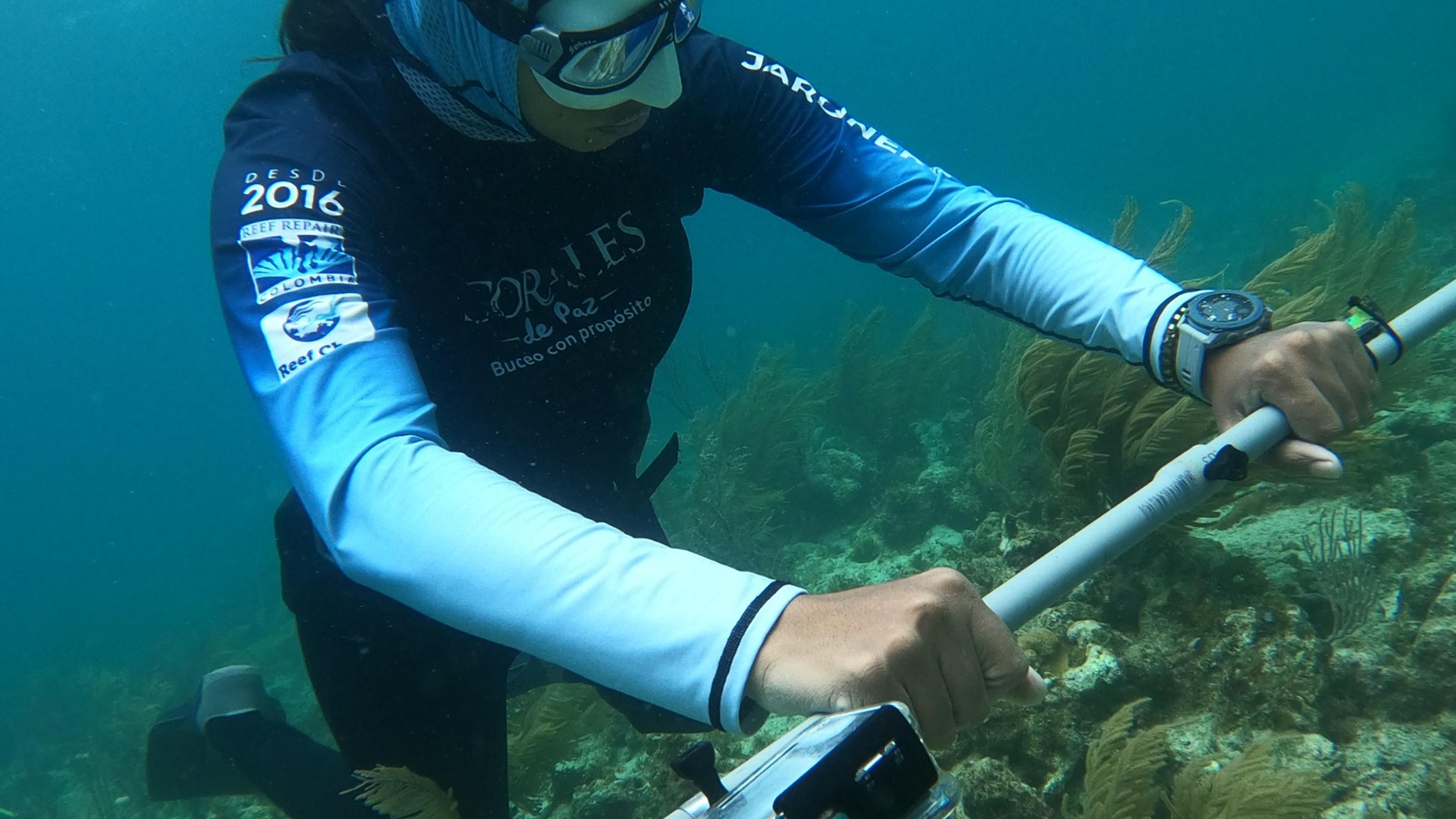
The exploration of the ocean has always been an endeavor fraught with challenges, often requiring labor-intensive and outdated techniques. A clear example of this can be found in the analysis of coral reef health. Traditionally, a team of 5 to 6 divers would descend multiple times a day for several days to assess the condition of a coral reef. This painstaking process, while crucial, is time-consuming and physically demanding. However, the tides of change are approaching, and technology might just hold the key to transforming these efforts.
Ángela Alegría, a Colombian biologist and researcher who's leading the charge in modernizing coral reef conservation, envisions a world where activities like coral restoration and recovery become more efficient through the power of artificial intelligence. Winner of the call led by Reef Support and WWF Netherlands, who was looking for innovative proposals that could provide solutions to the challenges facing the restoration of these ecosystems through marine photogrammetry.
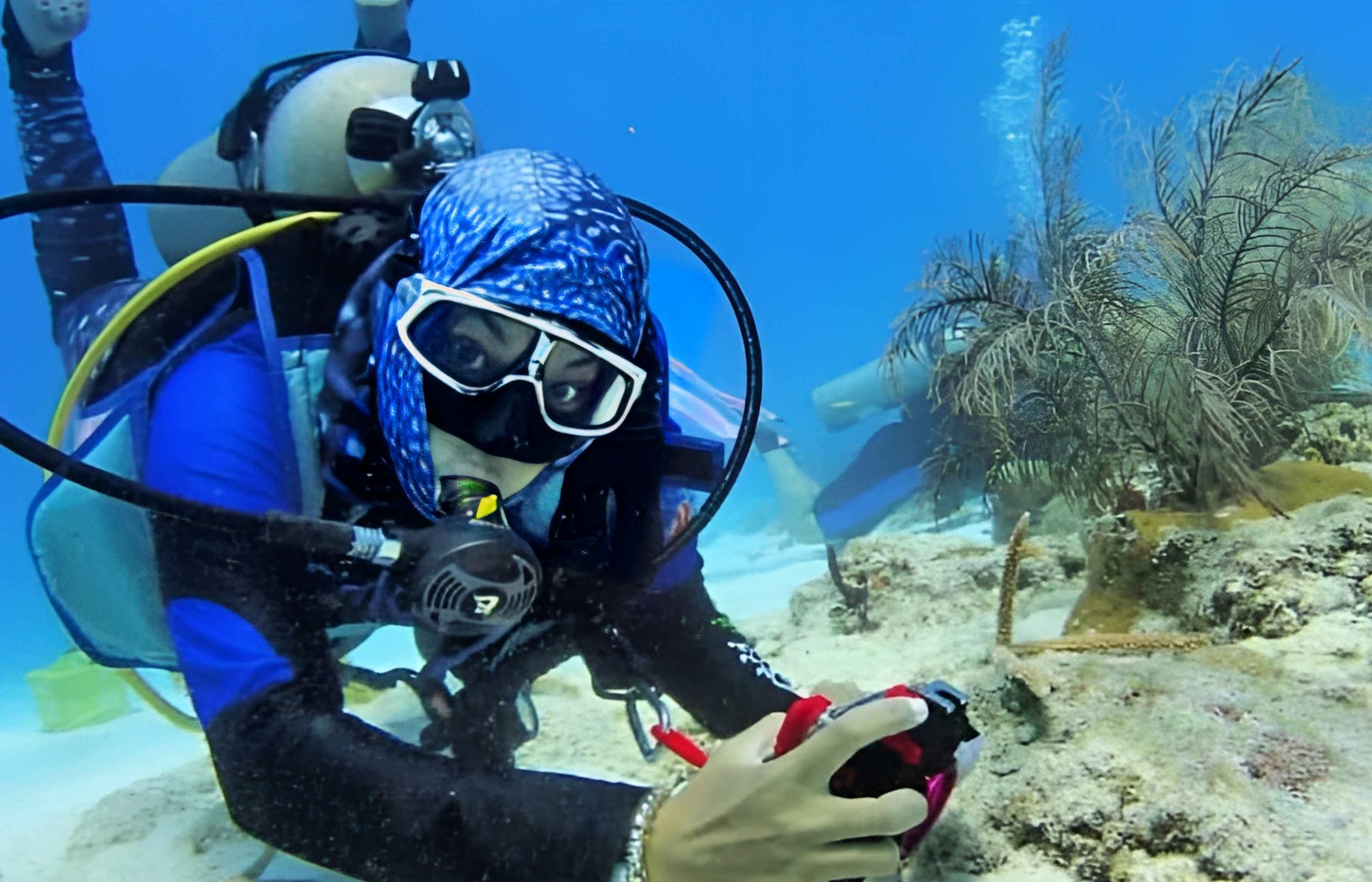
The core of her accessible innovation is a PVC pipe equipped with two GoPro cameras spaced 60 centimeters apart. This innovative design allows for photos to be captured with a 60% overlap, essential for creating photomosaics. A bubble level ensures stability during the process. Each usage of this apparatus generates around 1,500 photos, which are then processed to create 3D models showcasing the state of the studied area. This procedure is conducted at least once a year to monitor changes in the reef's condition.
The benefits of this approach are numerous. The 3D models derived from the photomosaics offer insights into the composition of the ecosystem, the presence of different coral species, and even the roughness of the environment. These details are crucial in making informed decisions about restoration efforts. Furthermore, this technology enables researchers to document and track changes in coral health over time, providing valuable data for conservation strategies.
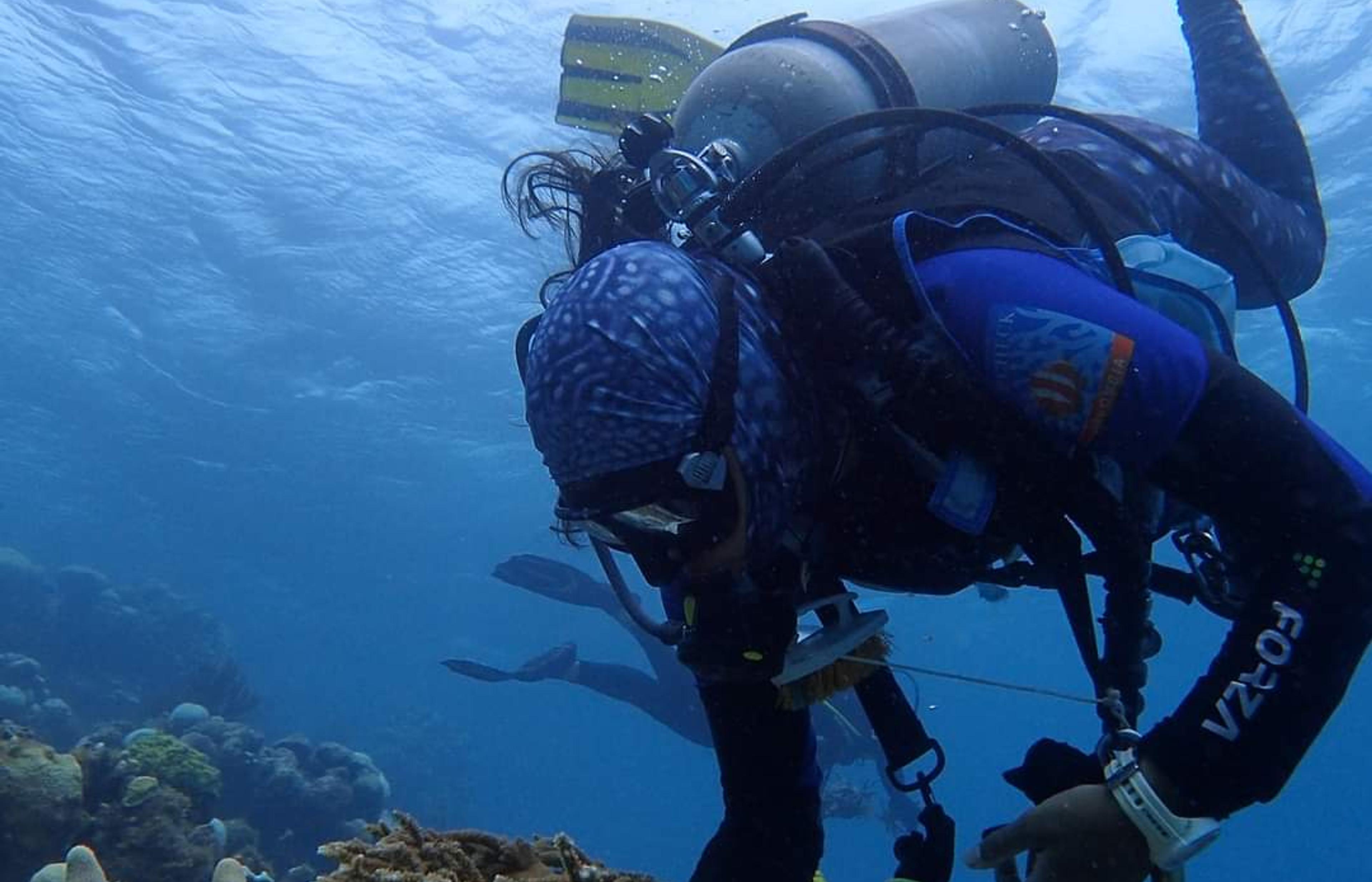
But the road to this innovation was not without challenges. One of the most complex aspects of the work is capturing photos while underwater, maintaining a straight trajectory in a typically confined space of 10 x 10 meters, all while contending with currents. This demands immense focus, concentration and excellent buoyancy.
Coral reefs are not just underwater playgrounds for divers; they're vital ecosystems that support marine life and provide sustenance to coastal communities. Colombia's coral reefs alone are home to over 2,300 species crucial for the Caribbean's ecological stability.
Ángela's tool was born out of a call by Reef Support to bring marine conservation into the 21st century. As the winner of this initiative, Ángela's invention holds promise for efficient and safe data collection for reef monitoring and restoration, potentially even progressing to autonomous systems without human divers. The high-resolution images captured through the camera system offer valuable insights into the coral reefs' condition and changes.
Collaborative efforts between Ángela Alegría, Corales de Paz, and DeepCo have paved the way for the sharing of knowledge. The technique of photogrammetry has been taught to local fishermen through citizen science initiatives, allowing them to take an active role in monitoring restoration efforts.
In a world where technology is advancing at an unprecedented pace, Ángela's work serves as a testament to the potential of combining innovation, artificial intelligence, and environmental stewardship. By harnessing the power of modern technology, we can redefine the way we interact with and protect our oceans, ensuring a brighter future for both marine life and humanity.
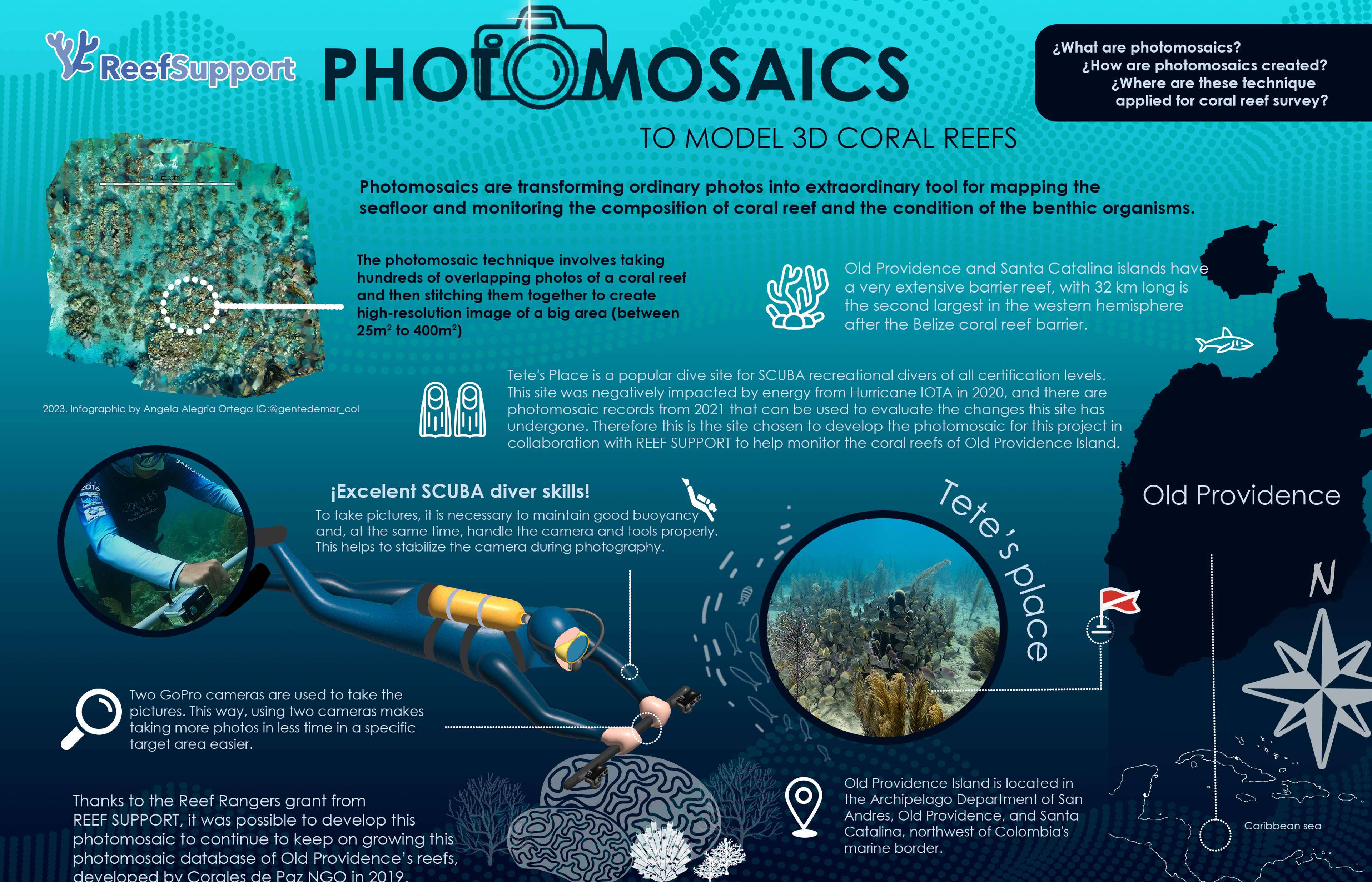
Infographic designed by Angela Alegria