
Blog
The Hidden Benefits of Whales and Dolphins: Beyond Beauty and Elegance

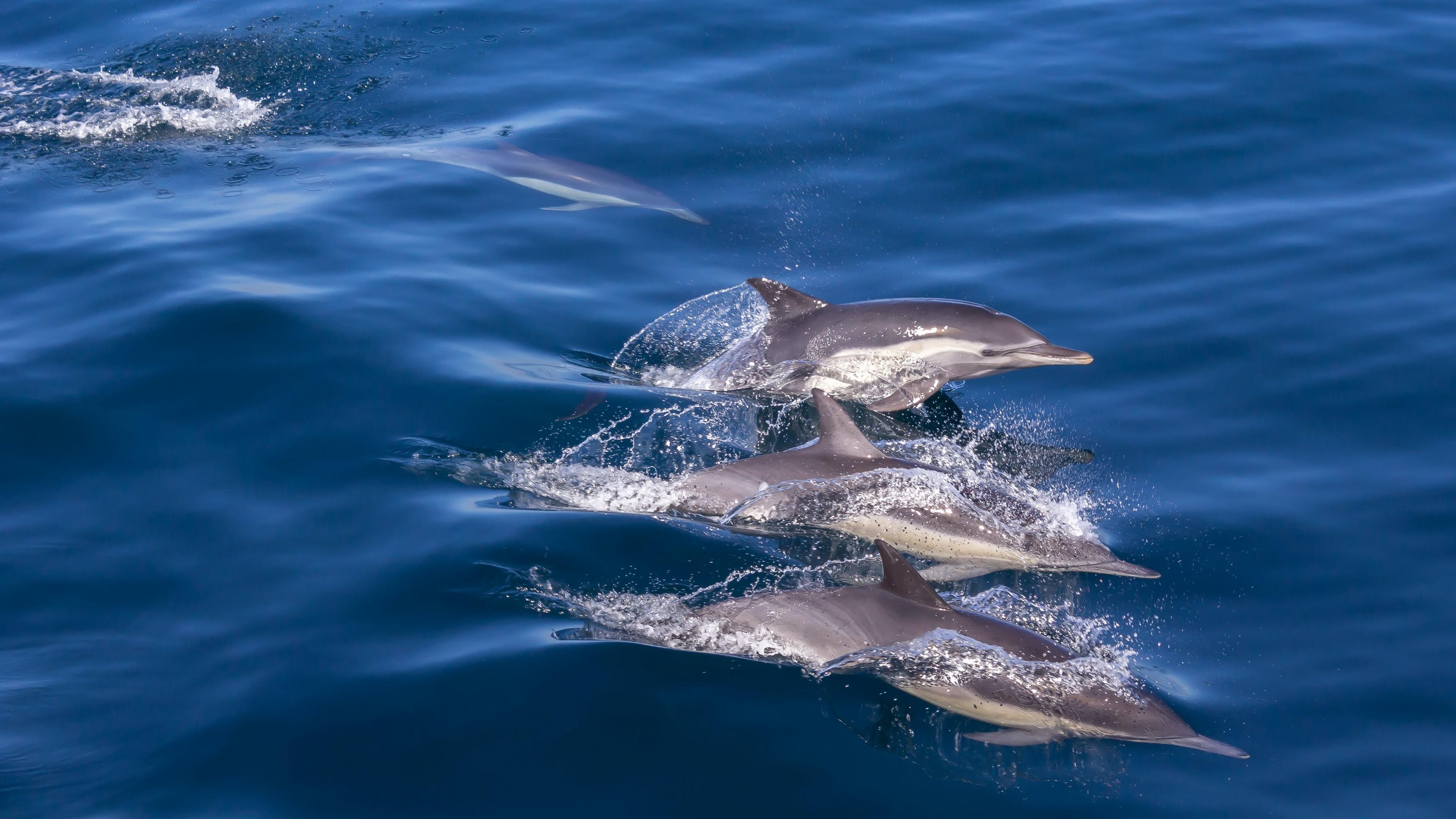
From the poles to the equator, whales and dolphins, known collectively as cetaceans, have captivated us with their intelligence, sophisticated language and grace. The perks of maintaining healthy cetacean populations, however, extend beyond their beauty, having far-reaching effects on the health of our oceans. Here we explore some of the reasons to look after our whales and dolphins, and why endorsing cetacean research and conservation initiatives is crucial for the preservation of our seas.
Guardians of Ecosystem Balance
As apex predators, whales and dolphins help to regulate the flow of food and to preserve the balance of the ecosystem by preventing species overpopulation and consequent depletion of species below them in the food chain. Cetaceans consume large quantities of fish and krill, exercising a top-down control of their prey’s abundance and biomass by direct consumption. Changes in cetacean abundance could therefore result in knock-on effects for ecosystem structure, functioning and resilience.
Ocean Gardeners
Whales’ cycle of feeding, excreting, diving and migrating between the ocean surface and its depths (referred to as ‘the whale pump’) disperses nutrients throughout the oceans, in turn supporting phytoplankton growth. These micro algae are the primary food source that supports all marine life and act as floating forests, absorbing carbon dioxide from the atmosphere through photosynthesis and therefore offsetting climate change.
Carbon Sink
Whales’ sheer size means they can lock huge amounts of carbon away from the atmosphere. The International Monetary Fund (IMF) has estimated that the environmental impact of one single whale is equal to the one of thousands of trees. Whales store carbon in their body during their lifespan. Once they die, they sink to the bottom of the ocean, sequestering carbon away from the atmosphere for centuries. However, researchers appraise that said impact has been staggeringly reduced by commercial whaling. The over-exploitation of these giants may have exacerbated the effects of climate change by weakening the role played by whales in locking carbon back into the ocean.
Source of Employment and Income
Whales and dolphins also support the profitable industry of whale and dolphin watching, which provides a sustainable employment alternative to whaling and a source of income for coastal communities worldwide. The whale watching boom has also proved favourable for countries looking to raise their global economic presence.
By affording protection to whales and dolphins, we look after our oceans, and ensure that both wildlife and people that depend on the sea can thrive.
Modern Threats to Cetaceans
Today, cetaceans worldwide are still stricken with human-induced threats, namely pollution, bycatch, ship strikes and climate change. The notion of pollution includes both acoustic pollution caused by sea-faring vessels, and a slew of substances that may impair cetaceans’ health, such as chemical compounds, oil spills, plastic and marine debris. The accidental capture or entanglement of cetaceans in fishing gear, known as bycatch, is a major hazard to the global survival of cetaceans, killing thousands each year. The pressure exerted by the rise of marine traffic on cetaceans is resulting in more frequent collisions between vessels and animals. Ship strikes are an established source of whale mortality worldwide, having been reported in at least 11 species of large whales. Lastly, climate change engenders alterations in sea surface temperatures, sea levels, ice coverage and ocean circulation, in turn affecting cetaceans’ prey and habitat availability.
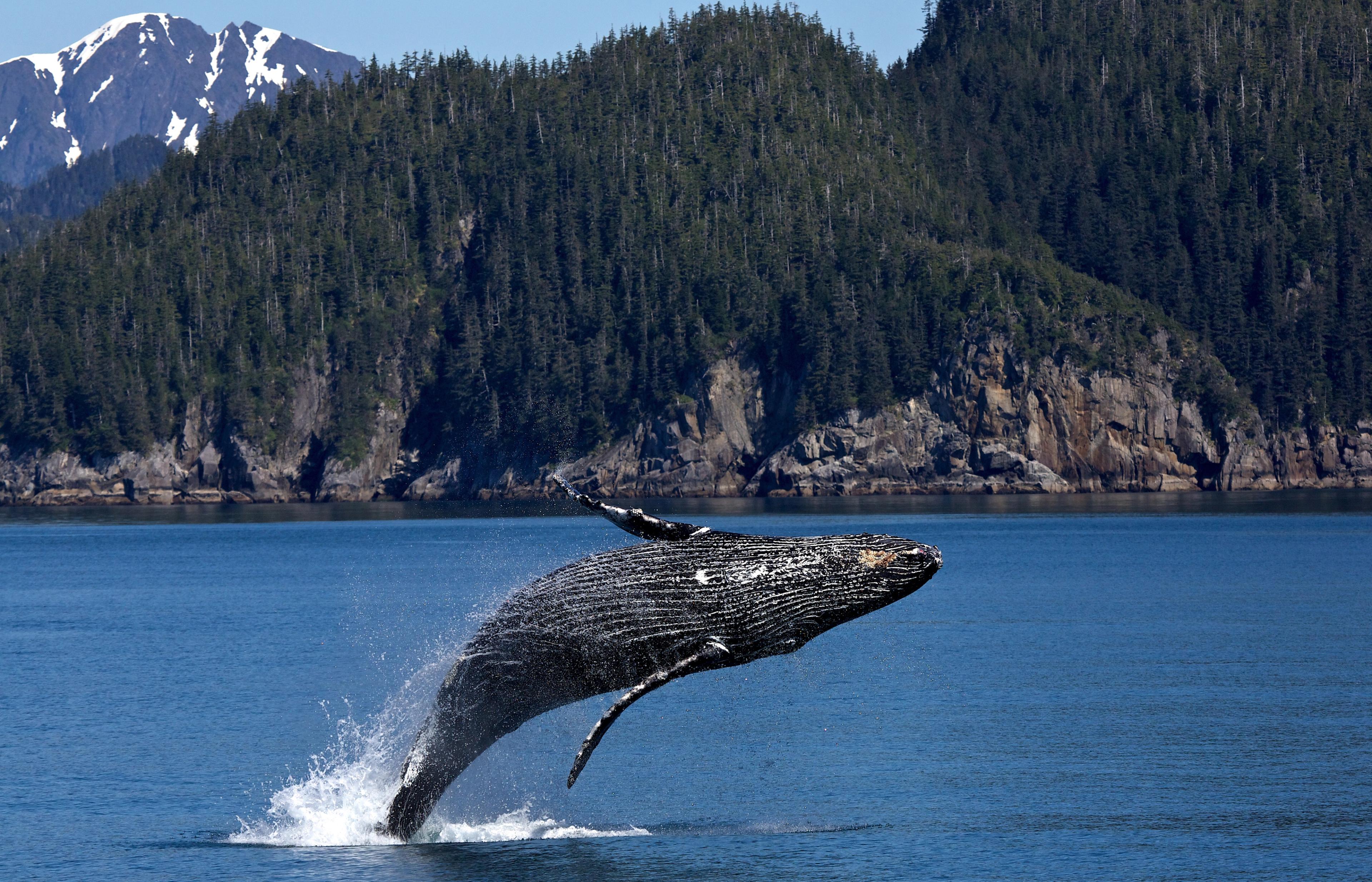
Humpback whale, image by Kenai Fjords National Park via Flickr
Cetacean Research and Protection Activities
At Reef Support, we provide citizen science cetacean programs where volunteers and trainees play a vital role in data collection, cetacean research, and conservation. Here are five examples of activities to engage in during our programs:
1. Cetacean surveys: Participants can assist in the identification and monitoring of cetacean species by conducting surveys from boats or land. This data can help researchers understand the distribution, abundance, and behavior of cetaceans in the area.
2. Photo-Identification: This is a popular technique used to study cetaceans in the wild. Participants can assist researchers by taking photographs of the dorsal fin or fluke of individual animals and using unique markings, such as scars or notches, to identify them. This information is used to track movements, population size, and social structure of the animals.
3. Acoustic Monitoring: Sound is crucial for communication, navigation, and foraging for many cetaceans. Participants can learn how to use underwater microphones called hydrophones to record and analyze the vocalizations of whales and dolphins. This technique can provide insight into the behavior and social structure of the animal.
4. Assisting cetacean rescues: Cetaceans may sometimes become stranded or tangled in fishing gear, which can pose a serious risk to their survival. Participants can assist trained professionals in providing appropriate care and support to help the animal return safely to the ocean. This task involves assessing the animal's condition, providing medical treatment if needed, and using specialized equipment to move the animal back into the water.
5. Educating the public: Participants can help raise awareness of the importance of cetacean conservation by educating the public about the threats faced by these animals and the actions that can be taken to protect them.
Join us in an effort to protect these remarkable creatures and seize the opportunity to become actively involved in field activities related to the research and conservation of cetaceans. After completing one of our cetacean protection programs, you will be well on your way to becoming a guardian of the ocean in the making. Book your spot at one of our locations:
Ischia (Italy), starting dates: 29/05/23, 19/06/23, 26/06/23, 24/07/23, 21/08/23, 25/09/23
The focus of the research program is on the communities of cetaceans found within a 35 km2 area spanning the islands of Ischia, Procida, Capri, Ventotene, Ponza, and the Italian mainland. The program uses various techniques to collect data and takes an interdisciplinary approach to examine different aspects of cetacean life, including social structure, habitat use and distribution, acoustic behavior, and the impact of human activities. The project aims to promote the conservation of cetaceans by increasing awareness of the threats they face through educational activities and by sharing research findings with the scientific community and local and international authorities.
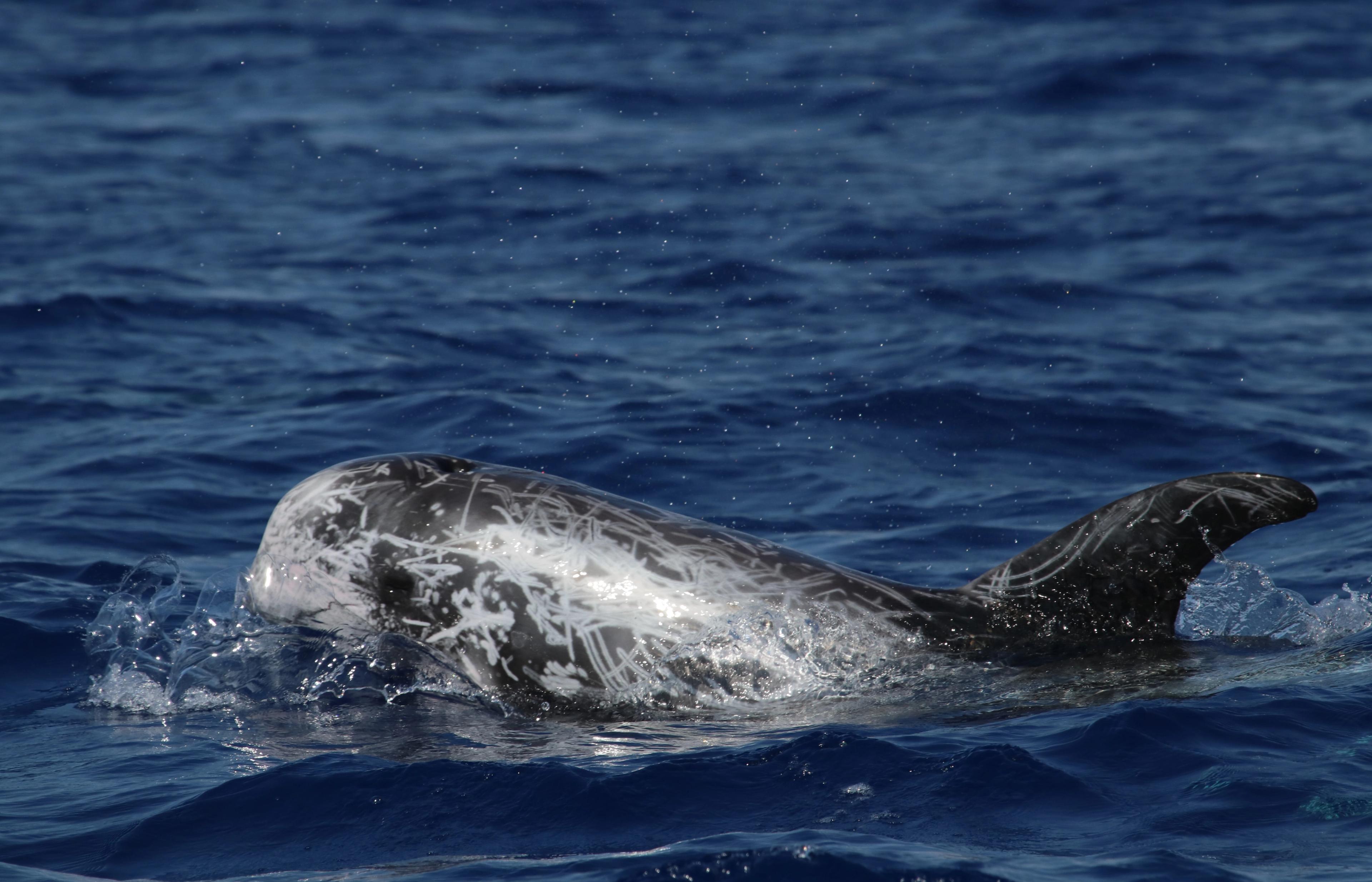
Image by Oceanomare Delphis
Bahia Solano (Colombia), starting dates: 26/06/23, 10/07/23, 04/09/23, 18/09/23, 02/10/23
This program aims to provide an immersive research experience for students to study marine megafauna in the northern Colombian Pacific. The focus of the program is on the study of humpback whales in the southeastern Pacific, as well as whale sharks and other cetacean species. The program also aims to raise awareness about the environmental and conservation challenges faced by Bahia Solano. Throughout the program, participants will gain knowledge about cetacean biology and classification, and learn how scientific research can be conducted through responsible tourism. Practical skills will be developed through training on the use of hydrophones, GPS devices, and photo identification techniques for identifying specific individuals.
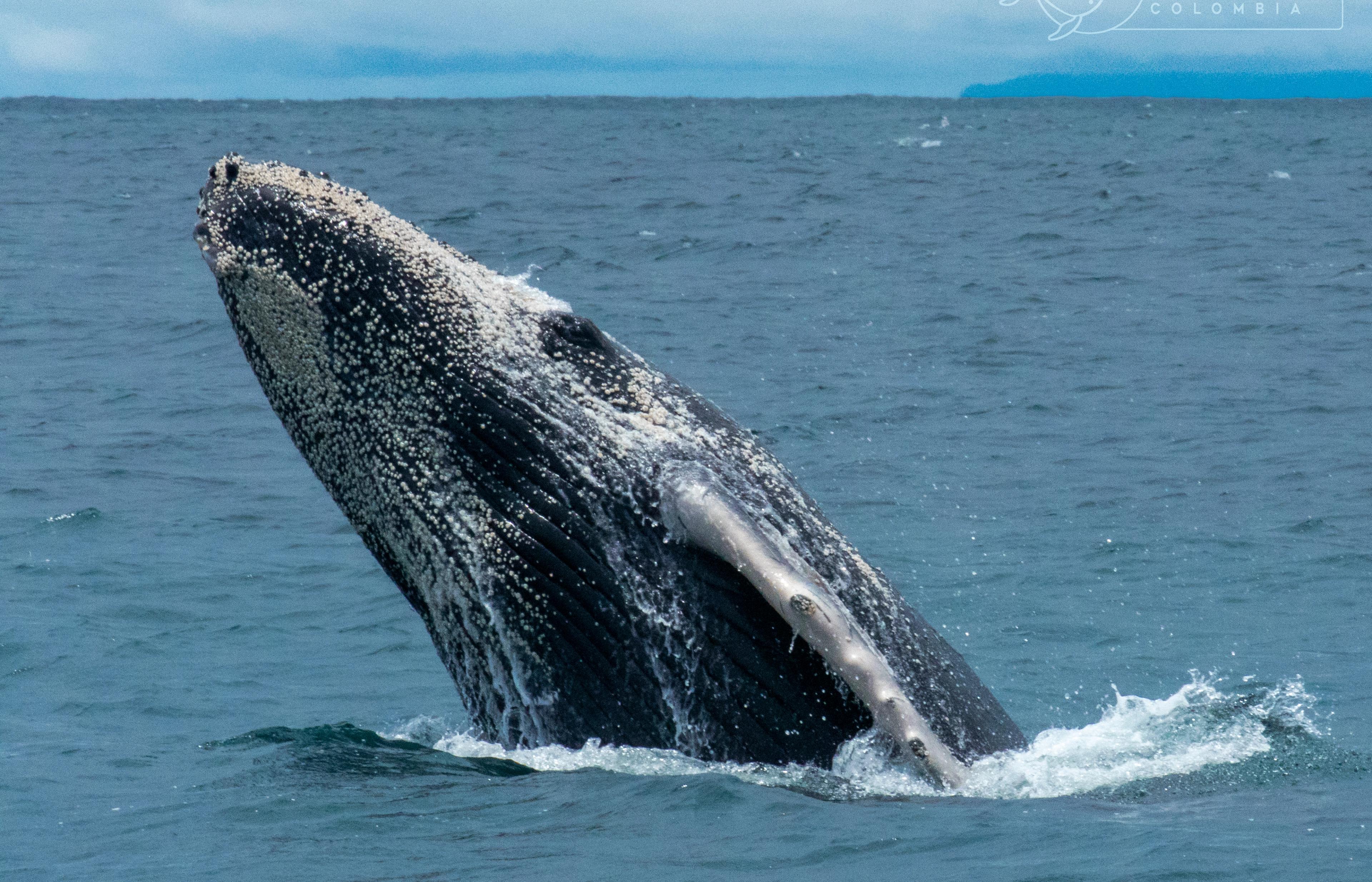
Image by Madre Agua Eco
Moray Firth (Scotland), starting dates: 31/05/23, 12/06/23, 01/07/23, 02/08/23, 02/09/23
As an essential member of the research team, you will be fully integrated into field studies of cetaceans. This will involve monitoring their numbers and distribution, observing their behavior and social dynamics, and identifying individual animals and their status and site fidelity. The primary focus will be on a population of bottlenose dolphins that are individually identifiable and spend a significant amount of time in the study area. This population is one of only two "resident" populations in British waters and is of national and international importance due to its isolated location at the northern limit of the species range. Along with participating in fieldwork, you will also receive training in marine mammal rescue techniques. In the event of a rescue situation, you may be expected to assist the team at short notice, sometimes even during the night.
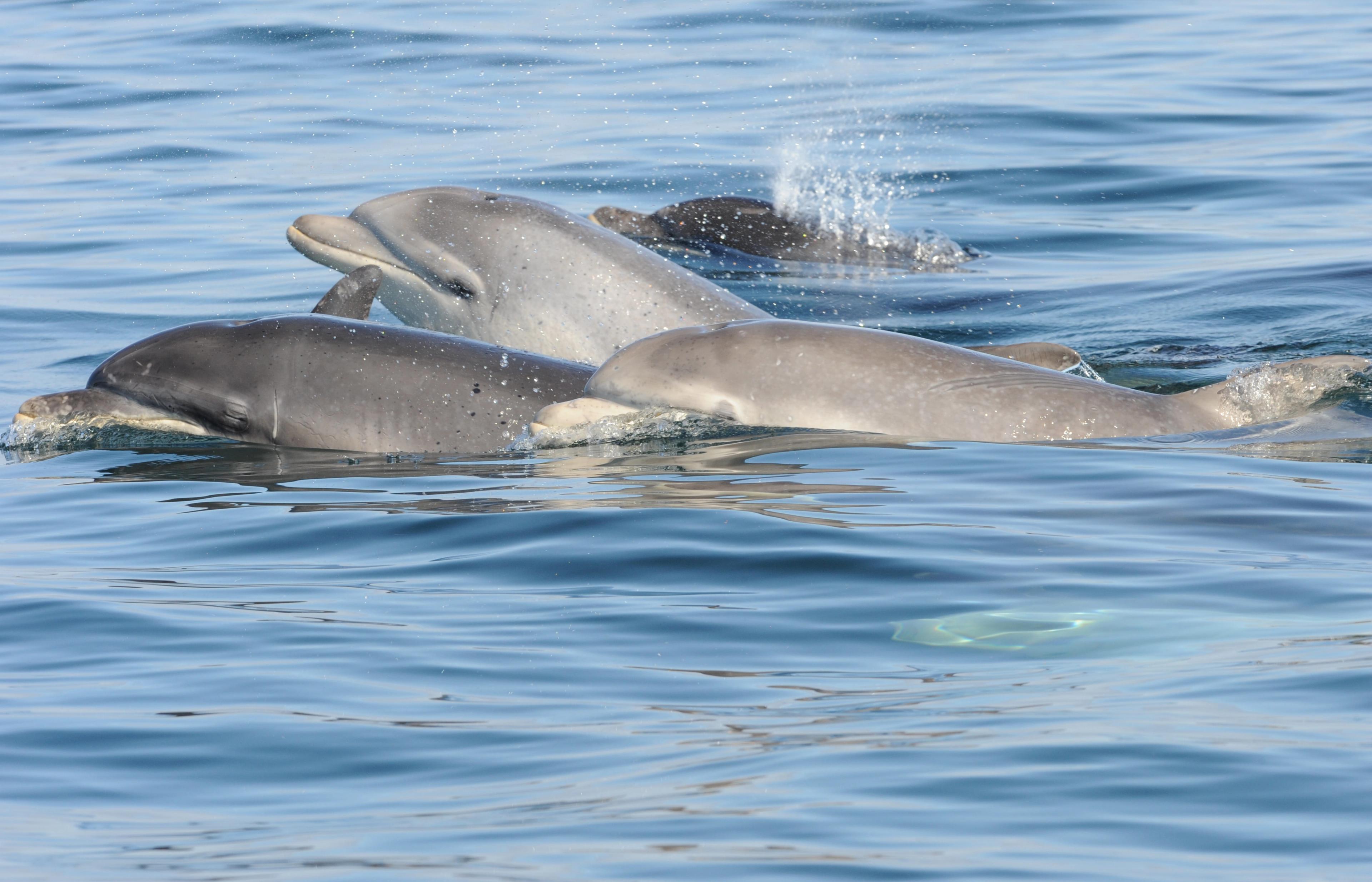
Image by Cetacean Research and Rescue Unit
Plettenberg Bay (South Africa), starting dates: 13/08/23, 17/09/23, 22/10/23
The main goal of this program is to promote awareness of conservation initiatives and issues and to establish a conservation model for the Plettenberg Bay region. Participants of various ages and backgrounds from around the world come together to learn and contribute to the sustainable management of marine and coastal resources. The program has three core components: conservation, education, and research. Participants will assist with stranding response events, alien plant control, local beach clean-ups, river health assessments, and marine mammal necropsies. They will also partake in pre-school and primary school environmental education programs, educational entertainment through dance and theatre, and partnering with a local underprivileged preschool to teach English and assist where needed. Lastly, participants will assist with collecting observational data on Cape fur seals, white sharks, seal-fisheries interactions, and bird ringing.
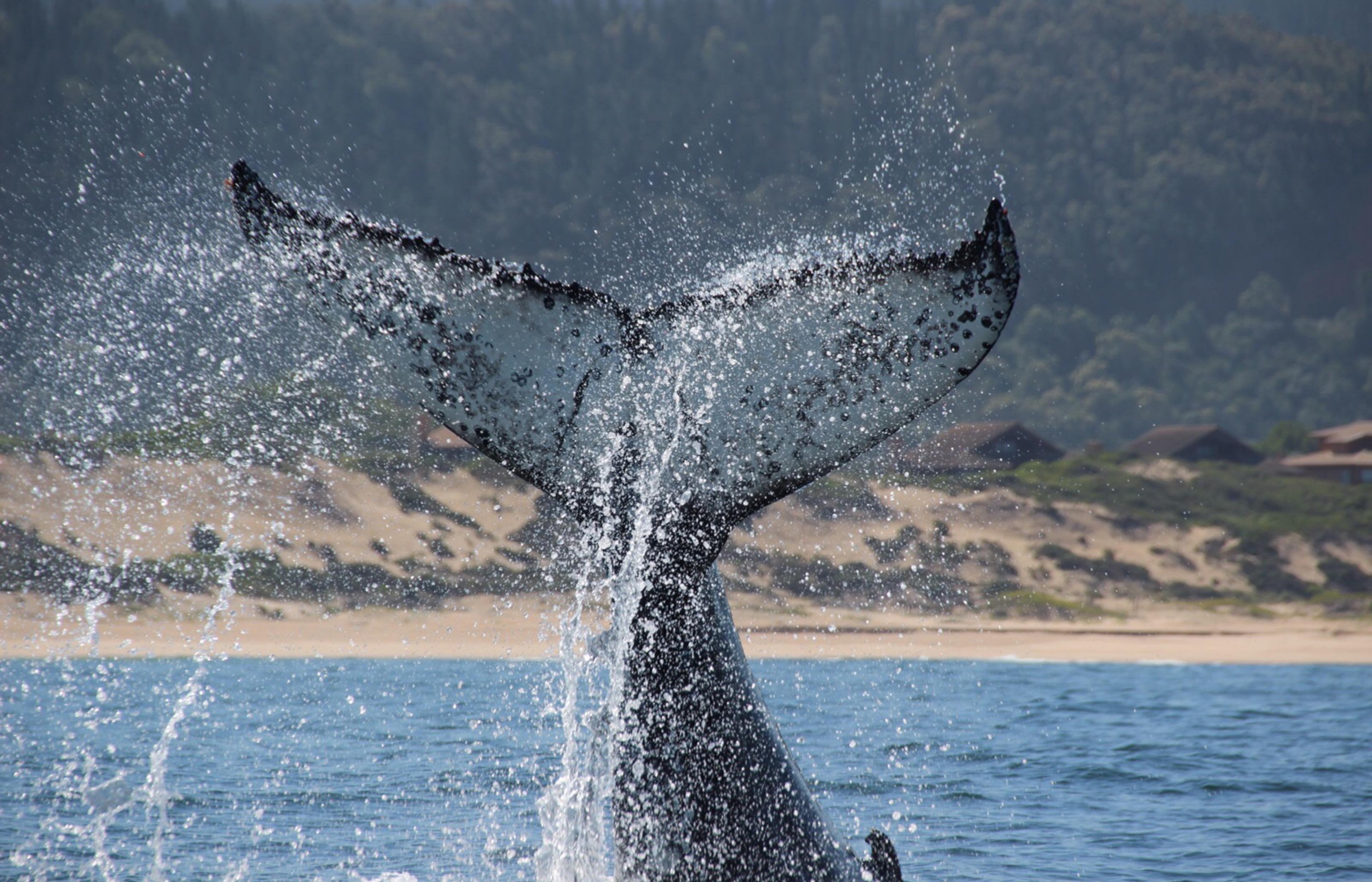
Image by Good Hope Volunteers
Algarve (Portugal), starting dates: 09/04/23, 07/05/23, 04/06/23, 02/07/23
The southern coast of Portugal is home to various whale and dolphin species, but there is limited knowledge about their distribution and population dynamics. As apex predators, cetaceans play a vital role in their ecosystems, and their charismatic nature makes them effective ambassadors for marine conservation. Our research program aims to study the occurrence, distribution, and abundance of cetaceans in the region, with a focus on species and habitat use. The information collected will help determine their conservation status and identify potential threats they face. The most frequently observed cetaceans in the region are the short-beaked common dolphin and the common bottlenose dolphin, but other species such as the harbour porpoise, Risso’s dolphin, killer whale, striped dolphin, minke whale, and fin whale are also present, though less commonly encountered.
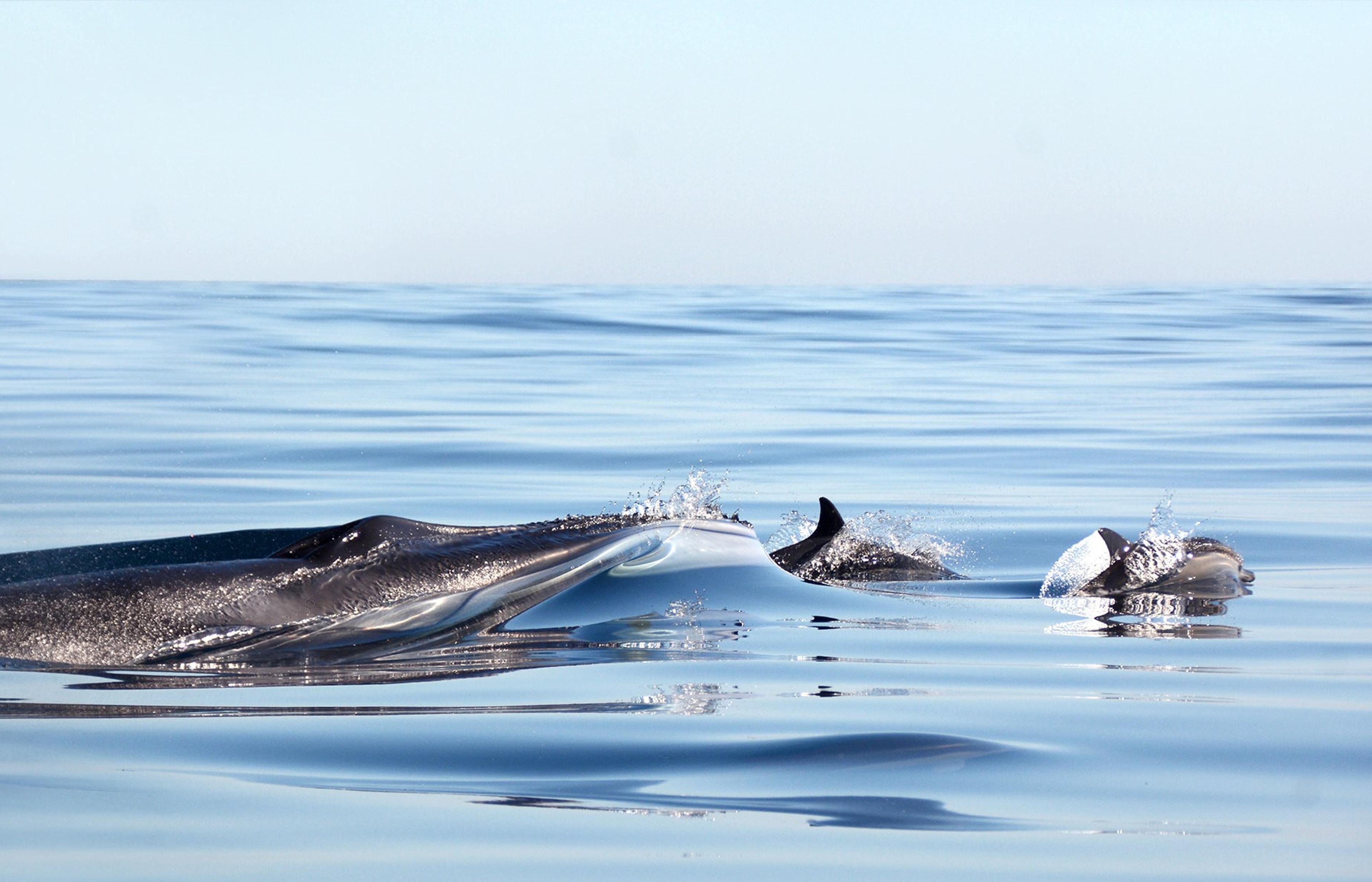
Image by AIMM
Faial Island (Azores), starting dates: 15/04/2023, 15/05/2023, 15/06/2023, 15/07/2023
The project provides an exclusive and rewarding opportunity for individuals interested in marine biology and conservation. This initiative combines a whale watching excursion with research, allowing volunteers to engage in sustainable and community-based ecotourism. Participants have the chance to take part in field research and witness whales and dolphins in their natural habitat while gaining knowledge about whale biology, conservation, species identification, photo-ID, and data collection. The project emphasizes long-term photo-ID research, which is highly valuable in comprehending whale behavior and movements, as hundreds of whale pictures are taken each year and compared with catalogs from the Azores and other regions across the Atlantic.
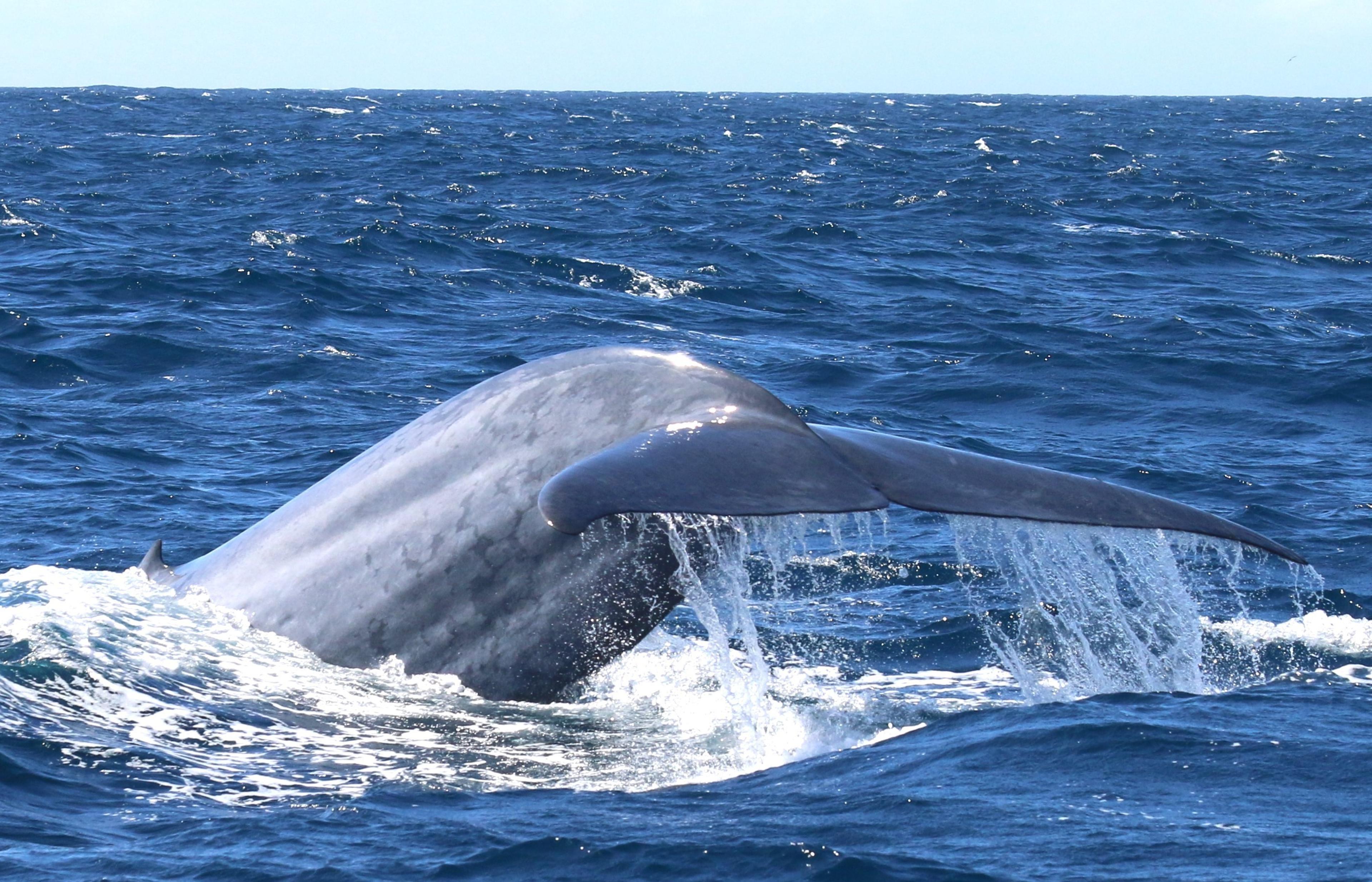
Image by Dive Azores
Participating in a cetacean research and conservation program provides an exceptional chance to gain valuable experience in marine conservation while contributing to the preservation of these magnificent creatures. By joining such programs, you can work with experienced researchers, learn about cetaceans and their habitats, and engage in practical research and conservation activities. Whether you opt for a program in Portugal, Italy, South Africa, Scotland, or Colombia, you will undoubtedly gain a deeper understanding and appreciation of the critical role cetaceans play in maintaining the health of our oceans and the planet as a whole.