
Blog
How Sustainable Tourism Can Support Coral Reef Restoration

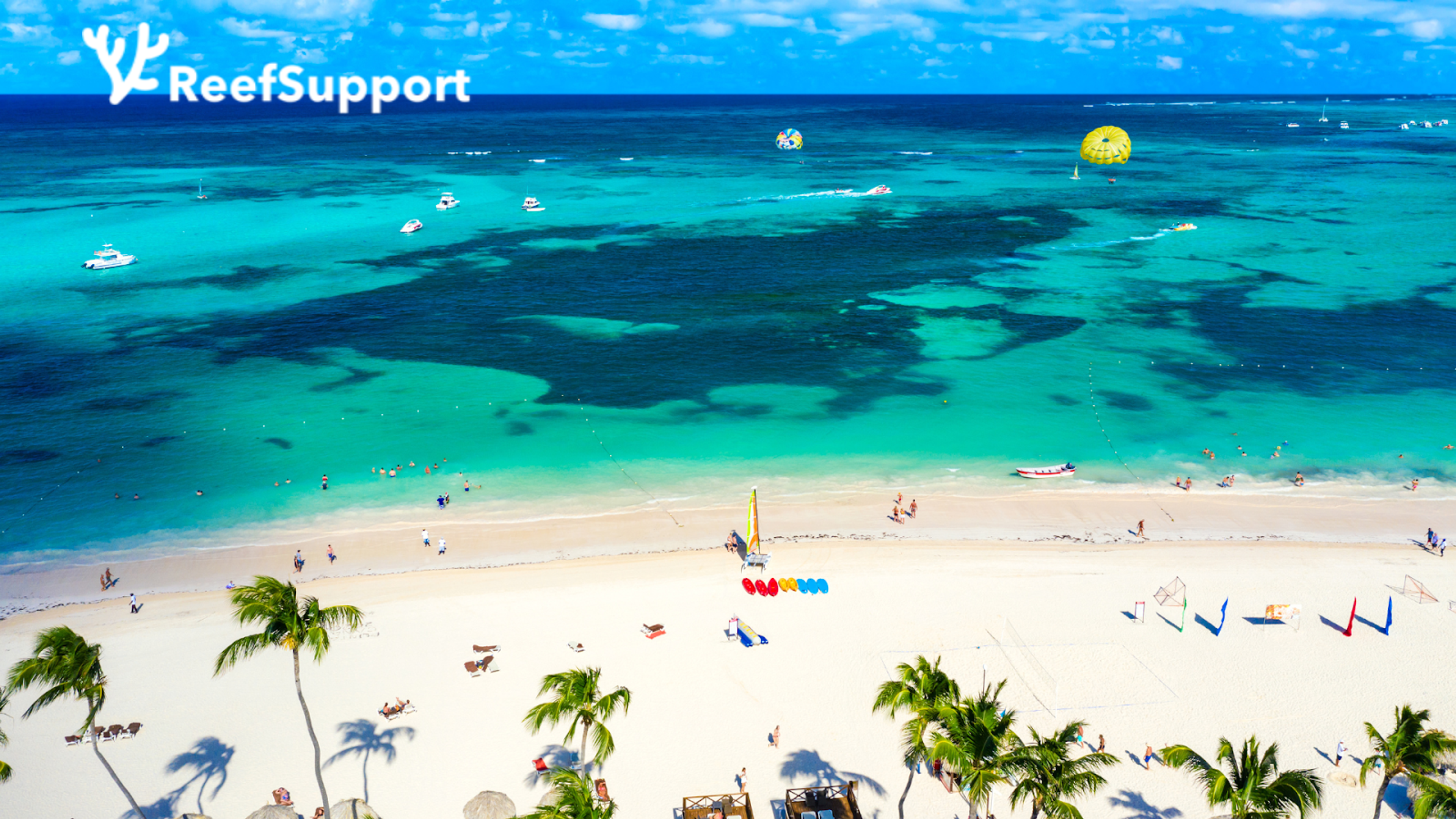
Coral reefs, threatened with extinction, need urgent restoration. Sustainable tourism can support reef regeneration by bringing together national governments, invested stakeholders, local communities, and tourists in a concerted effort to restore, revitalize and regrow corals using advanced scientific techniques, strong governance, and practical yet imaginative applications.
Reef Support, an organization that has developed innovative AI software to monitor ocean and reef conditions, has partnered with IntelliReefs, an ocean habitat restoration company. The Reef Support Reef Ranger project aims to assist in implementing Intellireefs’ ground-breaking nano-tech reef-building substrate, Oceanite, to restore coral reefs.
Reef Support trains divers to become Reef Rangers — citizen scientists who volunteer to repair, replant, and monitor precious hotspots of biodiversity while on holiday in tropical destinations. Vital marine data can be uploaded to their open Coral AI platform to be shared with the global scientific community to enable solutions for the damage caused by climate change and other human impacts.
Coral reefs are the most biodiverse biomes, or biological communities, in the ocean. They are also the most at threat. Fragile, incredibly beautiful, and teeming with an abundance of colorful life, these ancient living breathing structures are known as ‘rainforests of the sea’ because they nurture over 25% of marine life, even though they only occupy a minute fraction of the ocean floor.
The Importance of Coral Reefs for Life on Earth
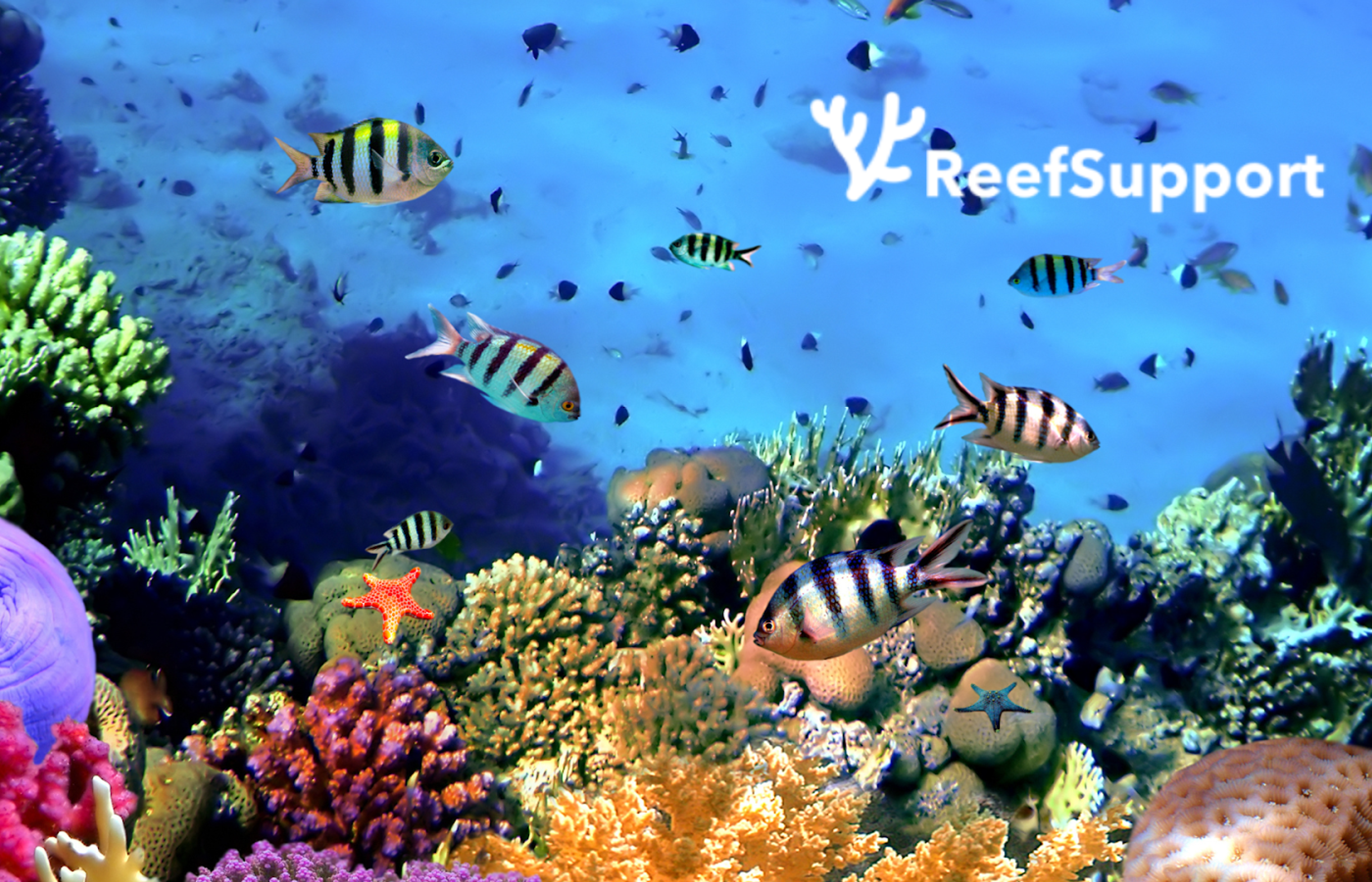
Many of us may have never seen a coral reef, but we are all connected to them through the intricate food web. The oceans are fundamental to life on earth, not only because they provide sustenance — but because they provide us with half the oxygen we breathe and stabilize global temperatures by absorbing planet-warming greenhouse gases. Coral reefs are fundamental to ocean health. And their rapid decline could potentially trigger a feedback loop that accelerates climate change — without these underwater nurseries, there will be less marine life to absorb carbon.
Coral reefs are not only home to a stunning diversity of life that provides food security to 100 million people in coastal areas worldwide. They also protect thousands of kilometers of vulnerable shoreline from catastrophic storm damage, support local livelihoods through tourism, are an emerging source of ground-breaking pharmaceuticals, and provide economic stability to 850 million people living within 100 km of the ocean around the planet. Furthermore, coral reefs form islands and atolls and are responsible for the beautiful white sandy beaches and sparkling calm blue lagoons with clear waters that attract visitors to tropical climes.
Coral reefs face extinction due to habitat destruction, pollution, overfishing, ocean acidification, and rising sea temperatures caused by climate change. Human-induced climate change, initiated by burning fossil fuels, has led to excessive amounts of carbon dioxide and greenhouse gases in Earth’s atmosphere. The gases have a warming effect — and science demonstrates that overall global and oceanic temperatures have risen worldwide.
The ocean acts as a carbon sink absorbing excess carbon that becomes carbonic acid upon reaction with water, dropping the overall pH. Corals are sensitive to changes in sea conditions and bleach when stressed by changing conditions like high temperatures and low pH.
How Coral Bleaching Happens
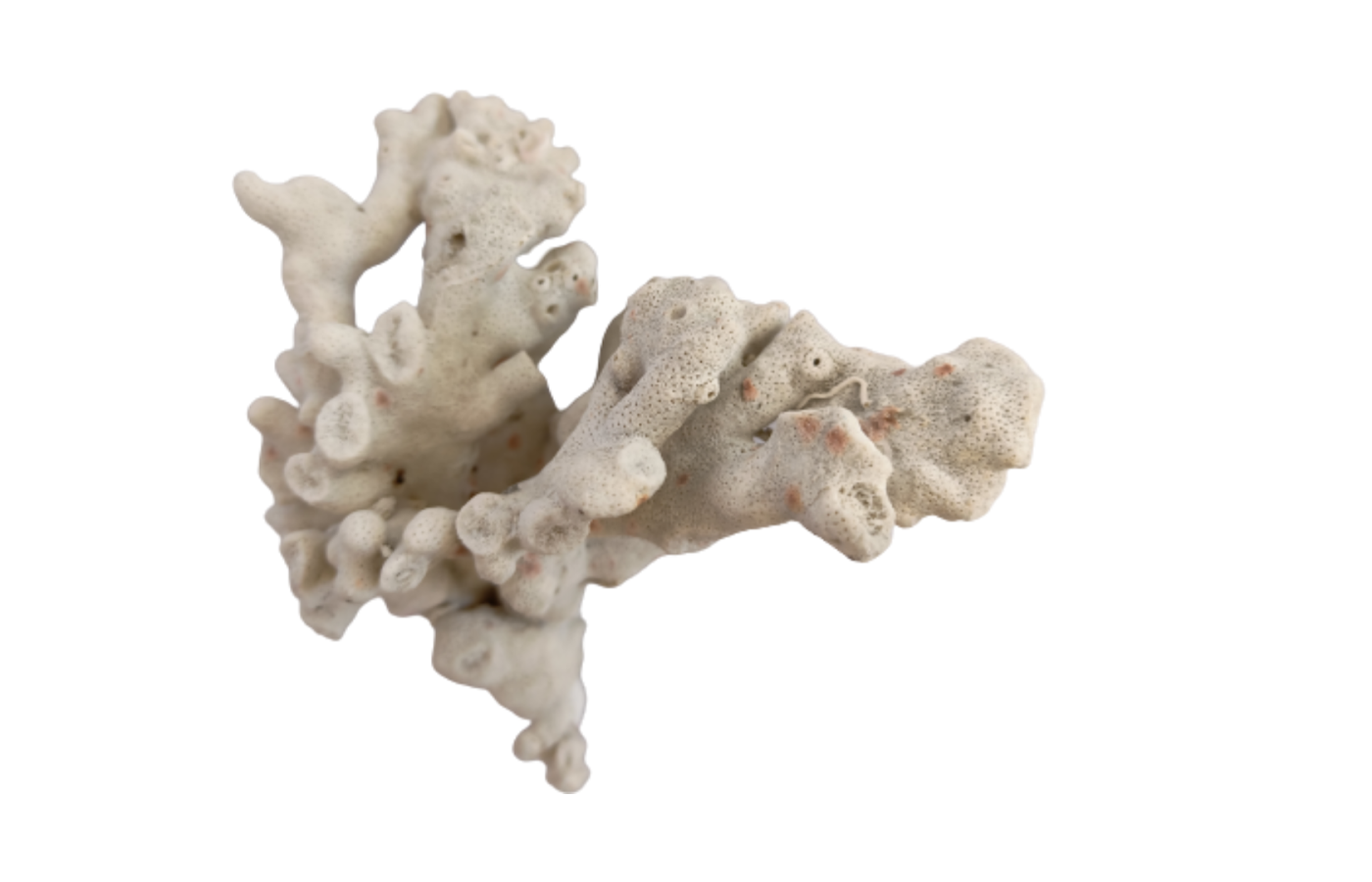
Coral Bleaching: Loss of color caused by damage, ocean acidification, too high temperatures, or pollution — credit: Lily on Canva Pro
Coral bleaching is a phenomenon that occurs when the sea becomes too warm or too acidic to support coral health — causing the corals to lose the endosymbiotic algae that provide them with sunlight energy and lend them their brilliant colour. Although coral bleaching occurs in natural period cycles, corals may recover if conditions restabilise for long enough periods and whether they are sufficiently genetically resilient to withstand the stress of high temperatures and low pH.
However, coral bleaching is now recurring too often for many reefs to recover. And, for the first time in history, it has happened during the cooler La Niña climate pattern period — especially in latitudes of 15 to 20 degrees north and south of the equator.
We have lost over 14% of our reefs since 2018 and over half of them since 1950. Scientists have warned that reefs may be lost entirely by 2050 if we don’t take immediate preventative steps. Furthermore, studies have shown that the reefs that have suffered the most are in areas where tourists frequent.
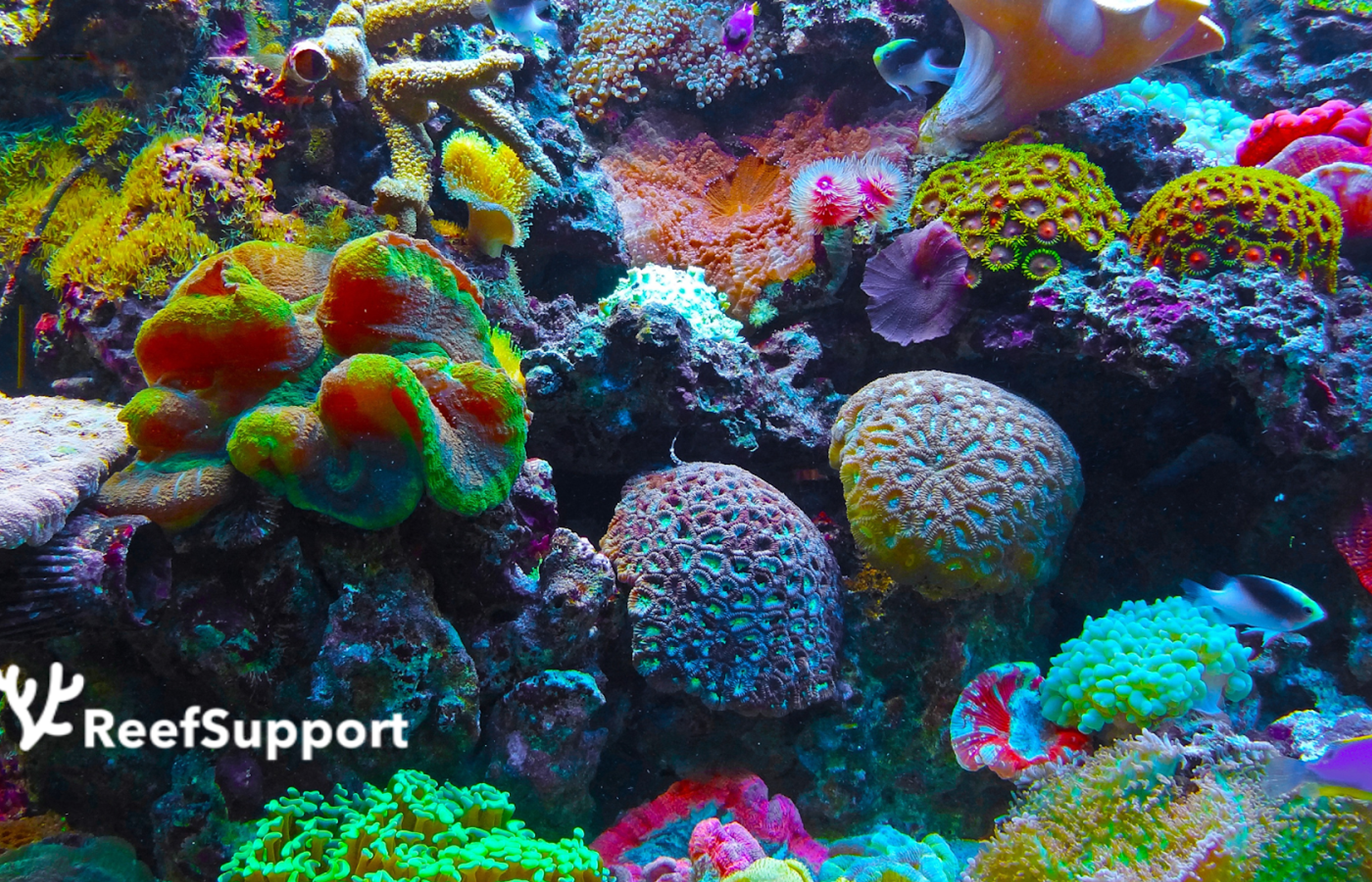
Bright healthy corals: Their associated zooxanthellae algae lend corals their multi-hued colors.
Bleached Corals Can Recover if Conditions Permit
While bleached corals may recover with time, coral bleaching can lead to coral death, changes in the coral community composition, and rapid reorganisation of coral reef fish communities. Heat stress renders corals more susceptible to disease, slows their growth, and limits their ability to spawn, allowing invasive algae to take over as the dominant species on the reef. This invasive take-over has already occurred in large areas of the Caribbean.
But sustainable tourism can support coral reef regeneration and bring economic security, health, well-being, cultural value — and happiness to communities. How is this possible? Let’s dive deeper.
The Economic Value of Coral Reefs
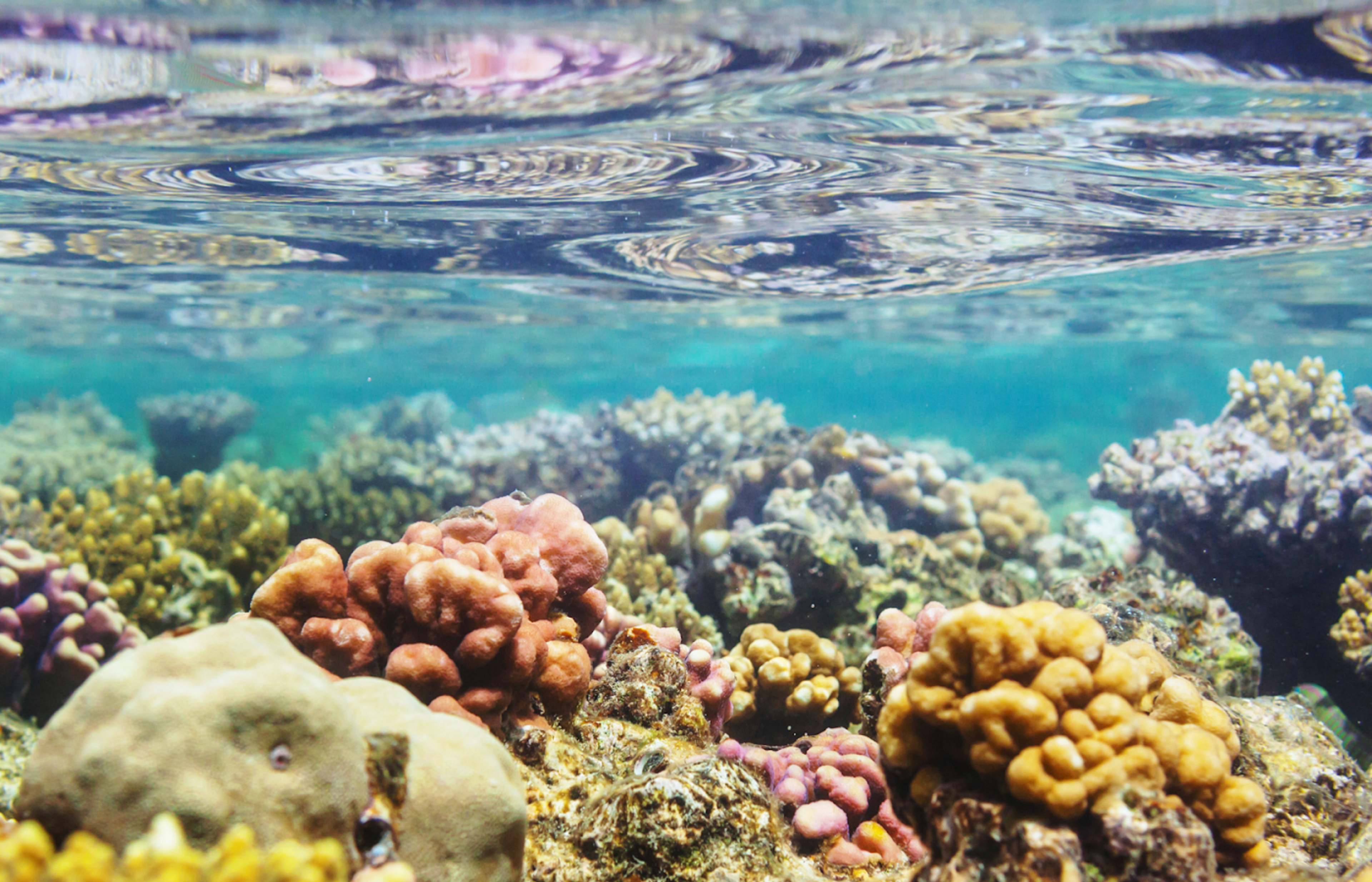
Corals need clear clean water and sunlight to thrive — credit LIly on Canva Pro
Data mapping models have shown that coral reefs represent an economic value to the world of $36 billion and support over 70 million tourist trips annually, a massive incentive for able governments and stakeholders alike to invest in their protection, conservation, and restoration. Supporting sustainable tourism will bring economic benefits such as employment and income to over 100 countries and territories by attracting foreign and domestic tourists who bring revenue — and much-needed foreign exchange earnings to poorer nations recovering from the effects of the recent Covid pandemic.
The value of reefs is not only determined by the in-water activities that tourists enjoy, such as scuba diving, snorkelling, or glass-bottom boat safaris, but also by reef-adjacent values. These include the generation of gorgeous sandy beaches, delightful panoramas, delicious seafood, and coastal protection, all the factors that make these locations perfect for resorts, marinas, hotels, aquariums, and other tourist attractions which support local and national economies.
This high value becomes a strong incentive for stakeholders and communities alike to invest in conserving an incredible natural resource that provides revenue, job security, food security, and a general sense of health and well-being.
The Environmental Impact of Tourism on Coral Reefs
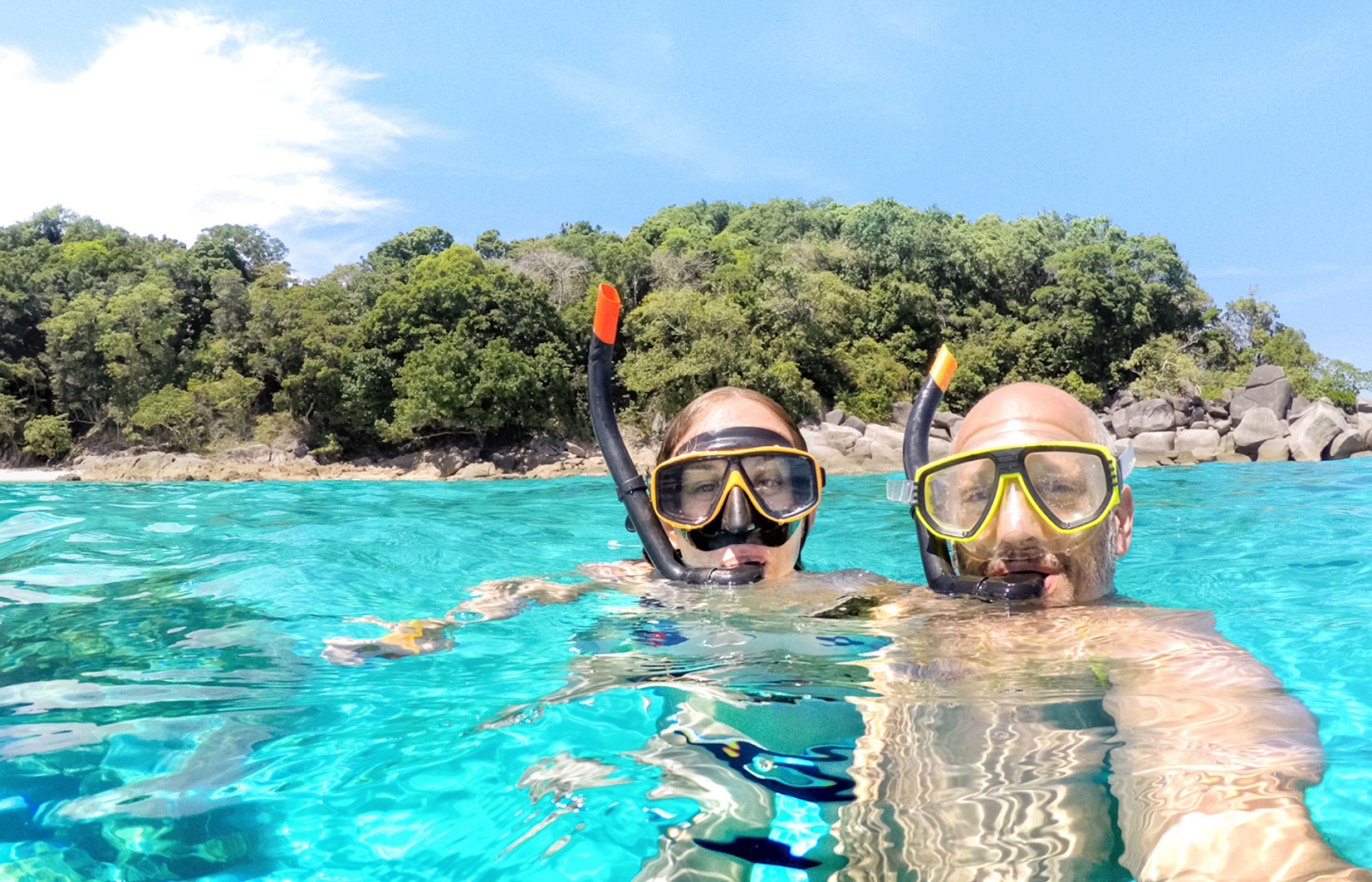
Tourists enjoy snorkeling and many other watersports activities in the crystal clear water of Sint Maarten Island, Caribbean. — credit Lily — Canve Pro
Tourism impacts coral reefs in both positive and negative ways. On the one hand, tourism can prevent overfishing and exploitation of reefs by larger commercial enterprises and bring in much-needed revenue, especially to remote locations like tiny islands with no other lucrative resources. And many tourists are environmentally aware, contributing to reef conservation by helping with beach and underwater cleanups — and spreading awareness by sharing their underwater experiences with others. On the other hand, tourism can, and has, led to coral reef deterioration in the following ways:
- Scuba Diving and Snorkelling Activities:
In-water activities such as scuba diving and snorkelling can cause harm to corals and other marine life. Corals are fragile and break on contact and have protective mucous membranes to protect them from disease. Touching corals and other marine animals abrade this barrier, exposing them to fatal bacteria and microbes. With proper training, divers can learn to correct their buoyancy and to hover above reefs, avoiding touching anything alive underwater.
The rule is: Never touch or feed a marine animal — only observe, enjoy, and perhaps take beautiful photos and videos. When divers encounter animals like dolphins, whales, turtles, and manatees, it is tempting to approach and interact with them. However, tactile interactions are detrimental and disturb the peace and harmony of these beings — and may prove dangerous to those that dare.
- Boating and Anchoring:
Dive charters, glass-bottom boats, and cruising vessels can cause damage to reefs and their adjacent seagrass beds by anchoring on the sites and destroying fragile structures. Furthermore, boat hulls may carry invasive species or contain toxic paints, anti-fouling agents, and chemicals that may harm sensitive biomes. There are alternative treatments for boats — so responsible diving schools, ocean charter companies, and day trip excursion operators must address all facets of their tourist experiences and activities.
- Coastal Development:
Development and agricultural practices alongside coastal regions cause sedimentation and fertilizers to run into the sea. Corals need clear transparent water to access sunlight for their energy supply and stable pH conditions to ensure health. Dredging and construction along coastlines have contributed to coral reef deterioration. Stakeholders wishing to invest in sustainable tourism must ensure that their resorts, marinas, and hotels are built sustainably and comply with regulations that ensure marine life conservation.
- Wastewater, Plastic Litter, and Chemicals:
Wastewater from sewerage and cleaning procedures contains harmful bacteria, chemicals, and toxins that can cause death and disease to corals and other marine life. Clean water is vital to reef health. To maintain these life-encouraging sea conditions, stakeholders and investors must consider alternate means of safely disposing of wastewater to prevent it from entering the aquatic environment. The best solution is to siphon it to treatment plants that remove harmful components before the water re-enters the surrounding ecosystem.
Cleaning products used in tourist resorts and other coastal infrastructures must be eco-friendly and reef safe. And tourists need to consider using environmentally friendly toiletry and soap products, especially sunscreens which can harm corals.
Plastic waste is a massive problem for the aquatic environment because fish, seabirds, turtles, and marine mammals can become entangled in or ingest plastic debris, causing suffocation, starvation, and drowning.
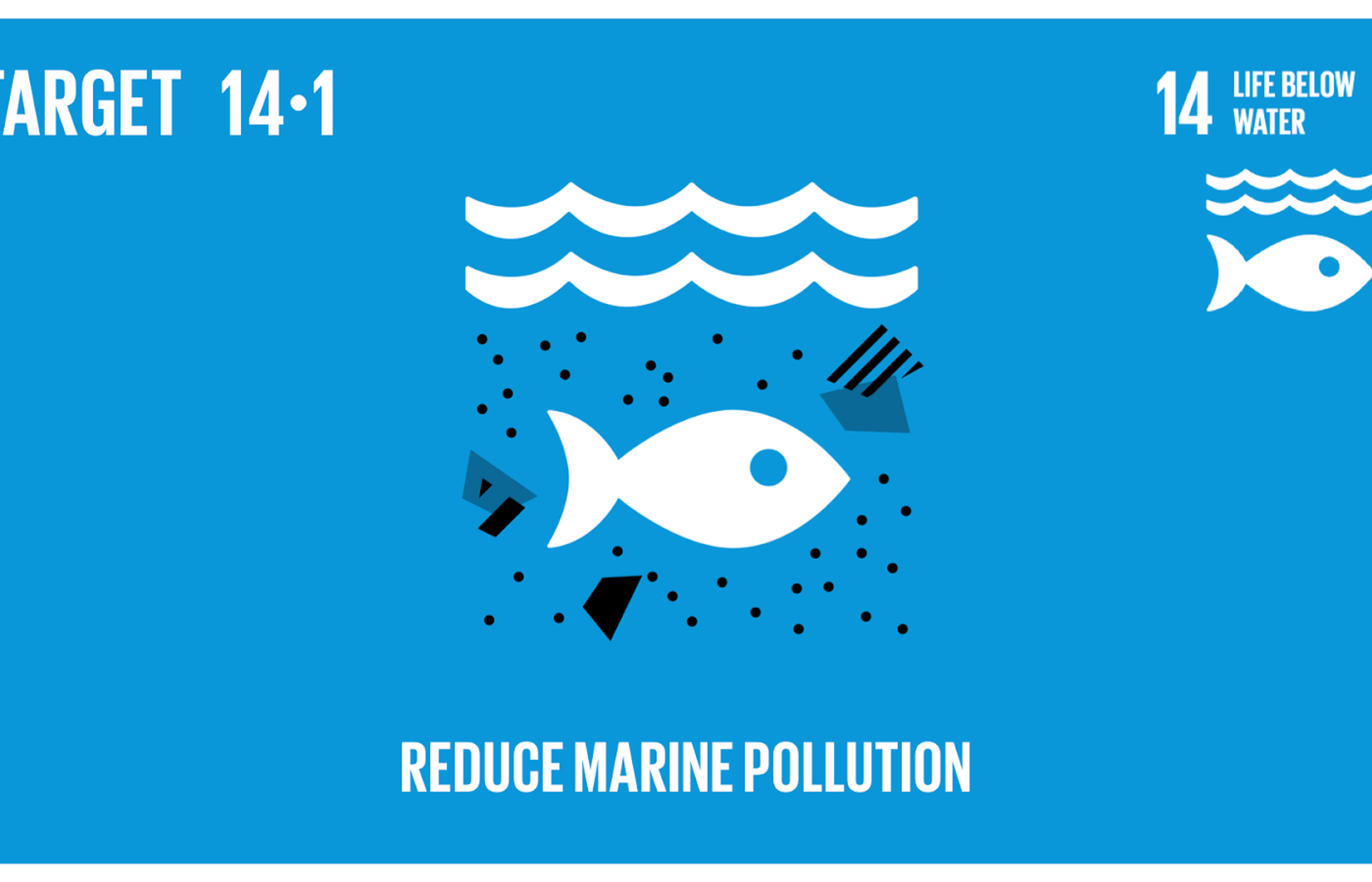
One of the sustainable developmental goals drawn up by the UN to mitigate the effects of climate change is Target 14.1: Reduce Marine Pollution.
- Sea Souvenirs:
Taking shells and corals from reefs prevents other living creatures from using them for protection and shelter. Avoid market stalls, beach vendors, and local shops that offer these products, and never remove anything from the ocean.
How Reef Support and IntelliReefs Support Sustainable Tourism with Science
Tourism becomes sustainable when negative impacts are eliminated and only the positive remain. That is the challenge Reef Support and IntelliReefs address — using cutting-edge science, education, and reef monitoring techniques. And their collaborative plan is to achieve the sustainable Global Goal of protecting life below water using marine resources for sustainable tourism development.
Reef Support Reef Rangers will learn to install and monitor artificial Oceanite reefs on the tropical island of Sint Maarten in the Caribbean, where IntelliReefs initiated their first coral restoration project in late 2018. Within a year, the artificial reefs constructed had 100% coral growth, proving a successful outcome for this innovative technology.
Oceanite Artificial Reefs by IntelliReefs | Site, Species, and Function Specific
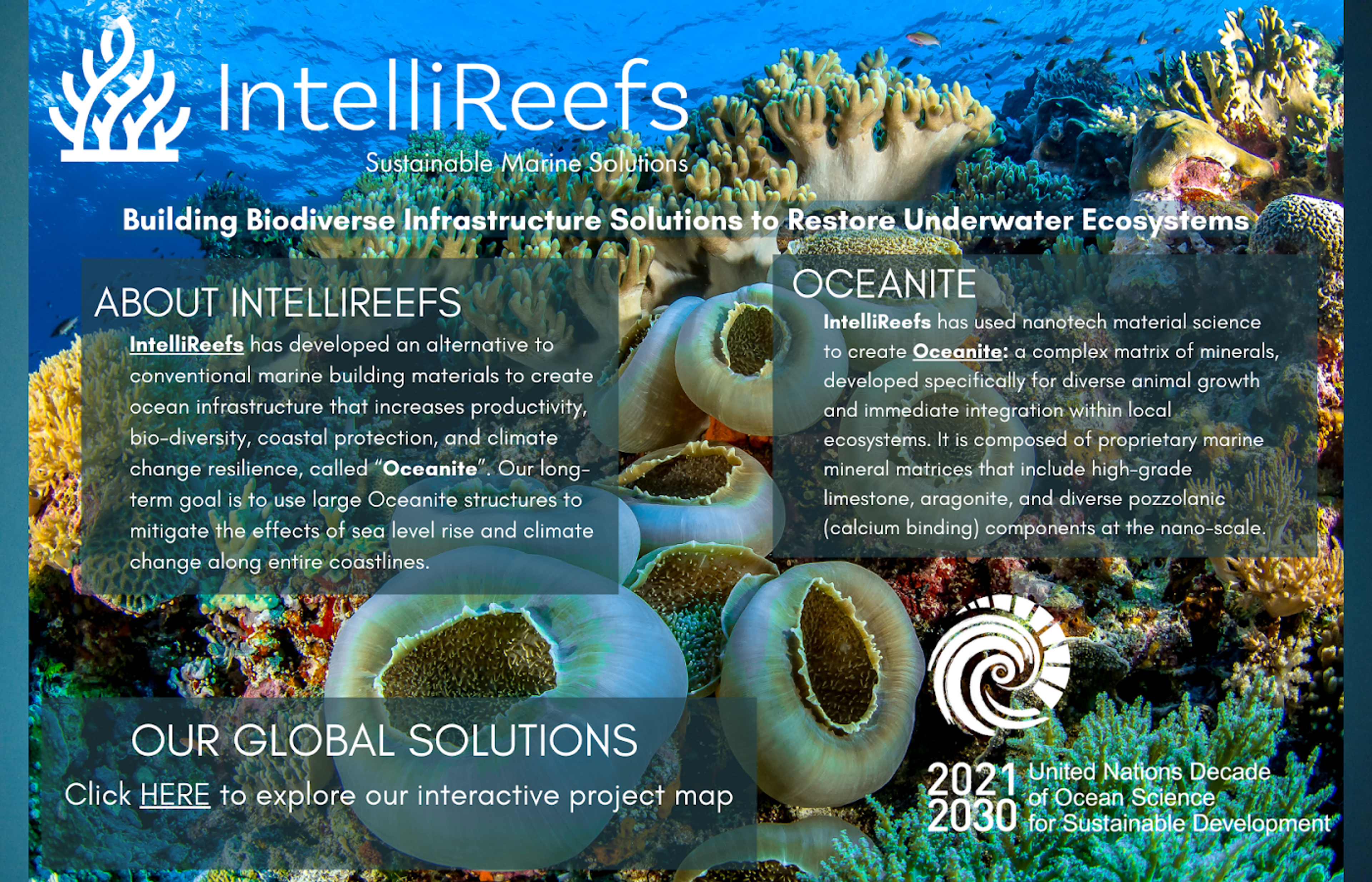
IntelliReefs spent 20 years engineering a nano-tech-based mineral substrate that mimics the rock-like limestone skeleton of coral reefs and the foundational base of other economically beneficial marine ecosystems. The substrate provides a bioengineered habitat for faster-growing and more resilient reefs. Their long-term goal for the Ocean Decade is to create large Oceanite structures that mitigate the effects of sea-level rise and climate change along entire coastlines.
Oceanite attracts the rapid settlement of targeted species, generating a biodiverse ecosystem that builds resilience in the face of climate change, disease, and ocean degradation — and is the only artificial reef-building mechanism endorsed by the United Nations and UNESCO.
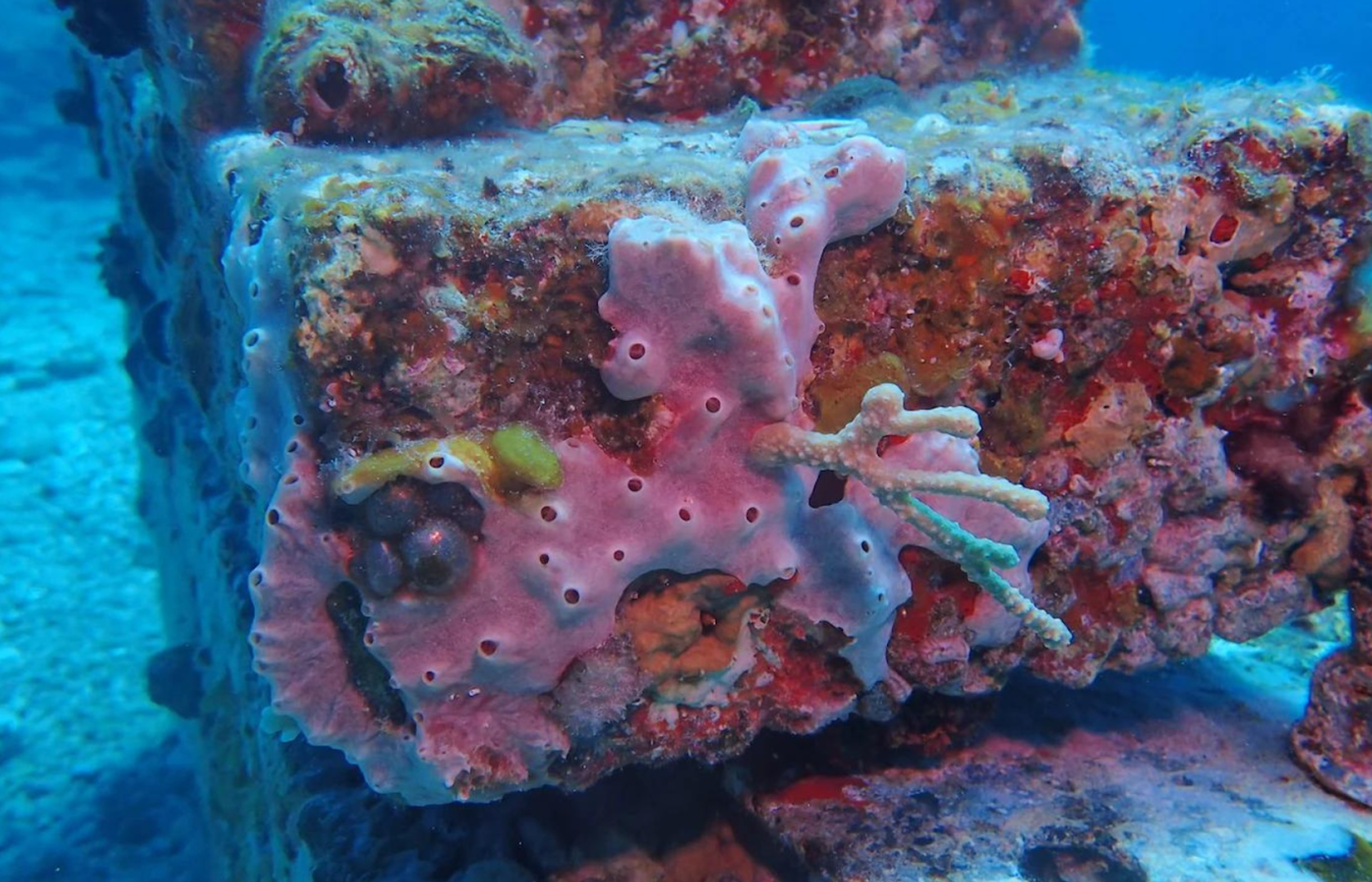
Oceanite building blocks are covered with coralline algae, corals, and biodiverse species — credit Intellireefs
Oceanite building blocks can be customised to a specific ecosystem or biome according to the conditions resident species of local marine flora or fauna require for functional growth and health. And Oceanite can be sculpted into any form on any scale to serve the intended function; whether it’s an underwater hanging garden for tourists to enjoy, a natural barrier to protect a beach from storm damage, or a sculpture of an endangered marine species like a turtle, shark, or manatee.
Oceanite also has many applications for aquaculture in warm and temperature waters, such as kelp beds for harvesting, oyster farms, fish farms, and more.
The possibilities for the employment of this natural building material underwater are endless, exciting, and just waiting for further exploration and responsible investment in a sustainable and abundant future.
Reef Support looks forward to its ongoing collaboration with IntelliReefs and their sister organization Reef Life Foundation to restore coral habitats worldwide using Oceanite nano-tech to restore resilience, biodiversity, and reef health to tropical tourist destinations worldwide.
Sign up to become a Reef Ranger here and support sustainable travel to the Caribbean to save and restore coral reefs using Oceanite nanotechnology.