Blog
The Scuba Diving Volunteers Protecting Coral Reefs in the Caribbean, Colombia
On the 16th of November 2020, a cataclysmic hurricane laid almost total waste to the tropical island of Providencia in the Colombian Caribbean, causing extensive damage to its already climate-threatened coral reef and disrupting vital tourism — on which the remote island almost solely depends. Iota destroyed Providencia’s entire infrastructure, most critically the only hospital — and nearly every home. It felled trees, swamped mangroves, caused landslides, and wiped out the power and communications networks to the point that the island was closed. And a long and rather desperate period of restoration and rebuilding ensued for the local islanders.
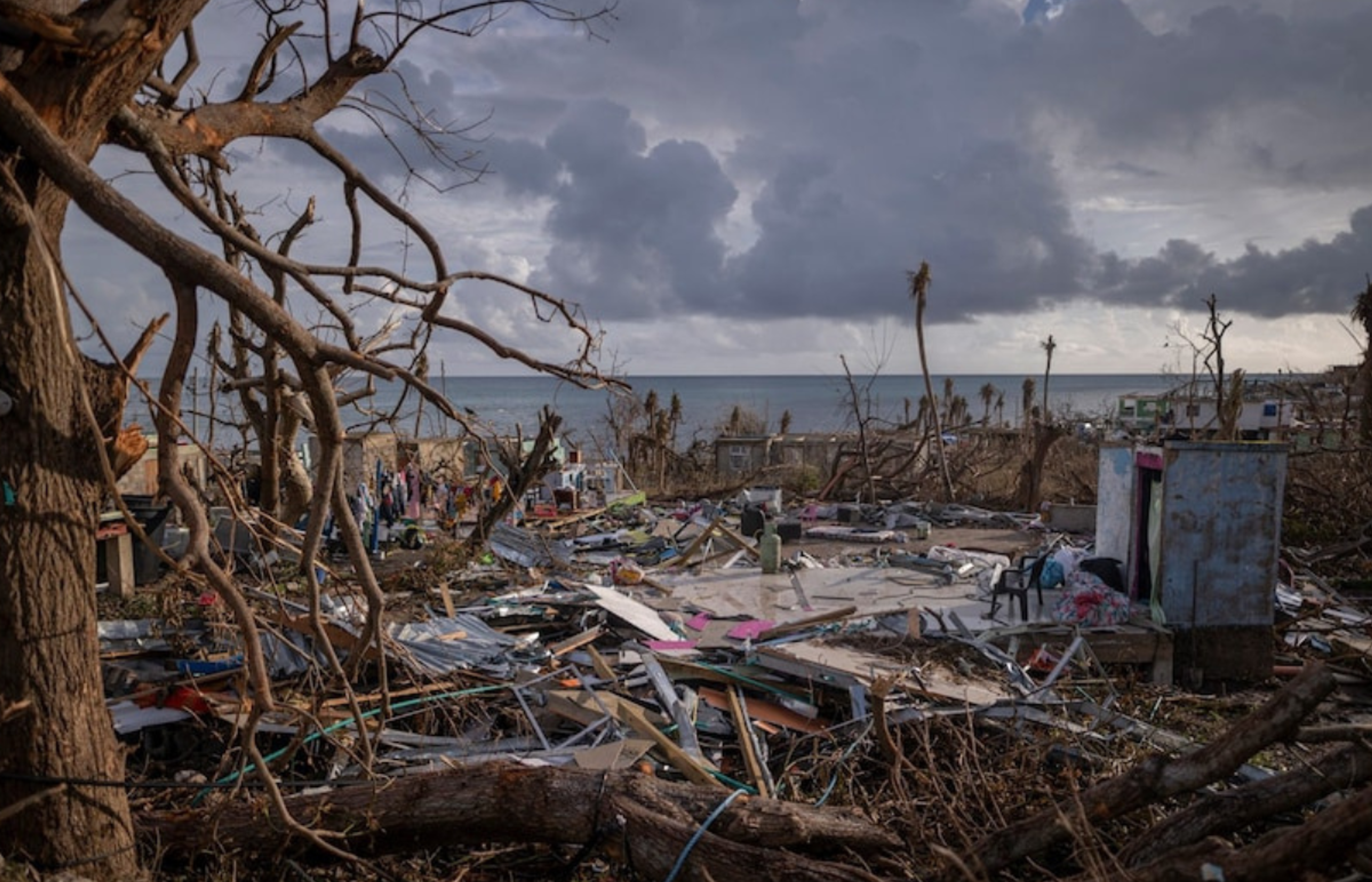
Credit: One more hour and we’d all be dead’: Colombian island smashed by Record-Breaking Hurricane — ( credit: The Telegraph 24 Nov 2020)
Reef Support is offering volunteers the opportuning to earn an Advanced PADI Scuba Diving Certification on the stunning tropical island of Providencia and learn about protecting coral reefs in the Caribbean. You will learn to become a citizen scientist, regrowing and restoring coral reefs, and learning how to survey, monitor, and upload essential reef data to Reef Support Open Coral AI platform.
Providencia Island | Now Open for Business in the Caribbean
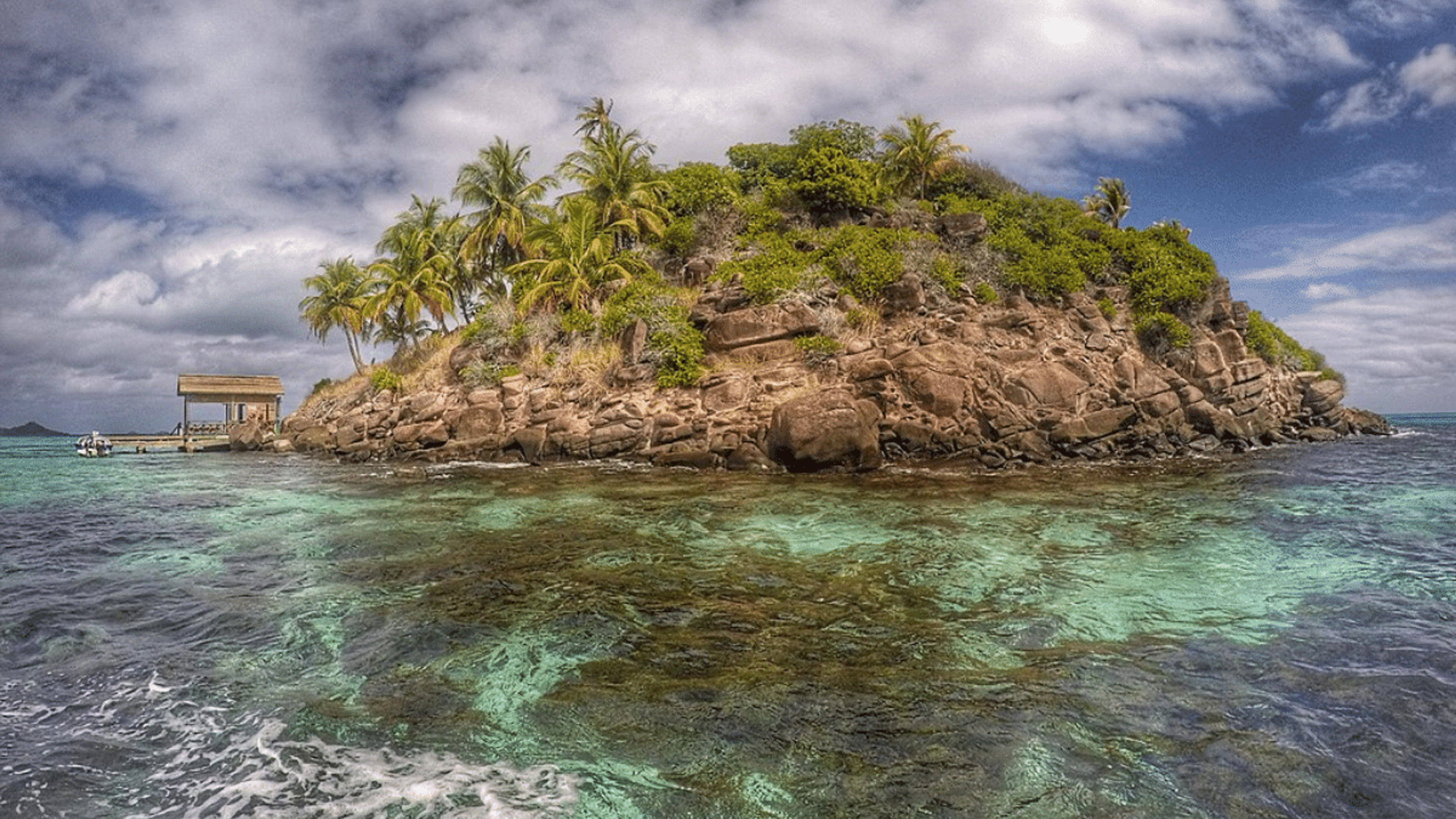
After almost two years of total shut-down, during which the 5000 inhabitants languished, deprived of the vital tourism that supports their economy, the beautiful island of Providencia has opened its arms again to travellers and scuba divers. Known for its Sea of Seven Colours, the island boasts some of the world’s most spectacular diving in clear warm waters hued in swirling shades of sapphire blue and amethyst green. And the sea is thronging with vibrant fish, curious turtles, silent stingrays, and harmless reef sharks that live in the coral reef biosphere.
Reef Support has launched a program for those concerned about the devastating effects of climate change who wish to pay it forward and become active conservationists — even while on a short diving holiday in a stunning tropical location.
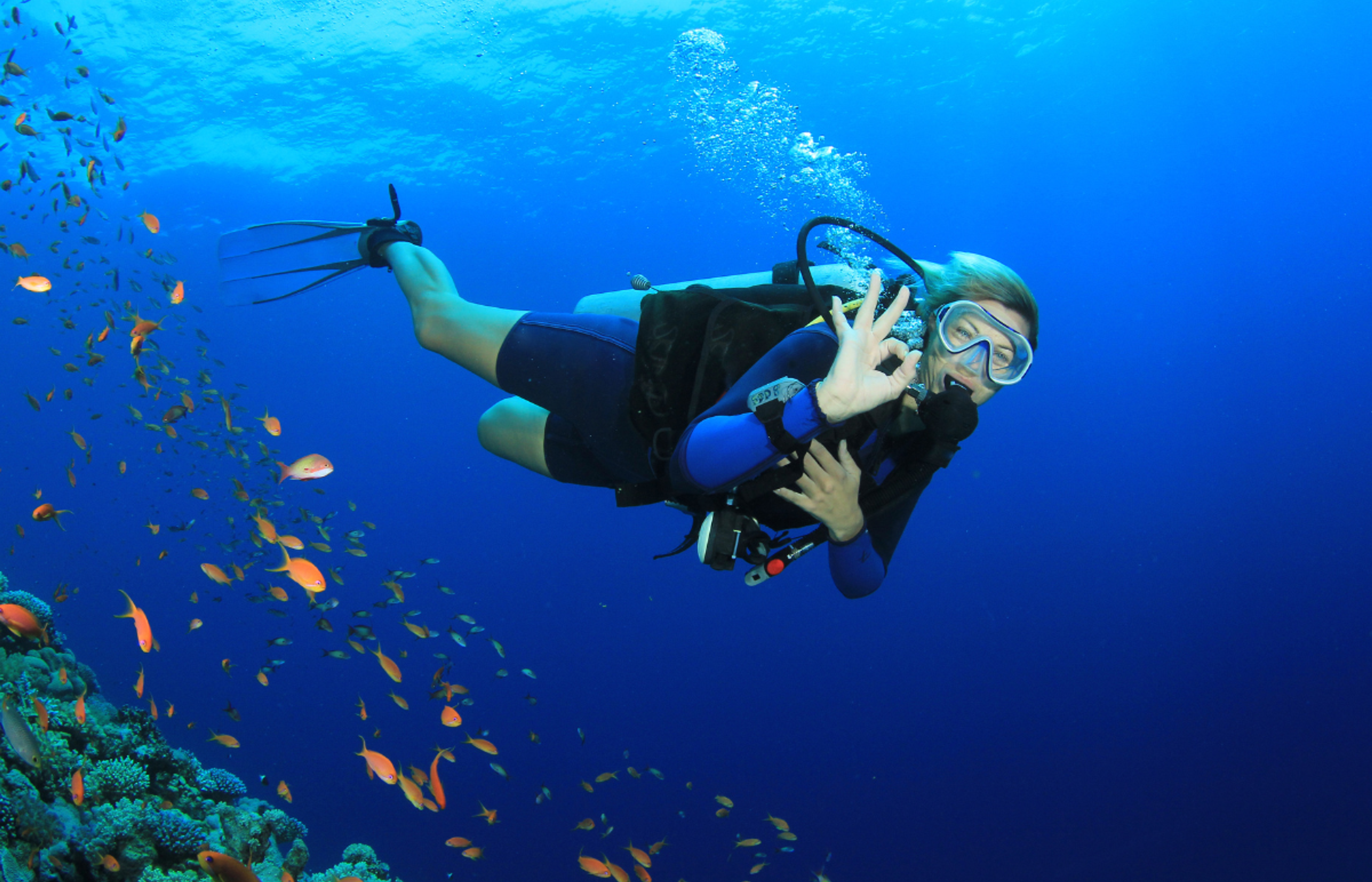
The Reef Ranger Program Protecting Coral Reefs in the Caribbean
Scuba diving enthusiasts and even those completely new to the activity have a once-in-a-lifetime chance to train as custodians of the sea — otherwise known as Reef Rangers.
Marine conservators, Reef Support, are a vibrant team of award-winning scientists and creative thinkers, are offering coral reef recovery and conservation certifications abroad. And they’ve developed user-friendly AI-driven software tools — designed to collect, curate, and analyse ocean data, to be uploaded to an open platform for scientists to use to find solutions to combat climate change.
Increasing coral resilience towards changing sea conditions may provide the answer, and AI-driven models can predict future variations, and assist in the development of genetic methods — helping to develop new technologies and strategies to boost ocean abundance.
Reef Support has partnered with fellow reef scientists and conservationists Corales de Paz to deliver a reef conservation certification that includes scuba diving, reef monitoring and restoration training.
The SeaFlower Biosphere Reserve and MPA of San Andres and Providencia
The archipelago of San Andrés and Providencia, its outlying cays, and surrounding seas are a UNESCO world biosphere site called the Seaflower Biosphere Reserve that covers a vast expanse of ocean — over 300 000 square kilometers. The reserve is a marine protected area (MPA) encompassing ten percent of the Caribbean Sea, where fishing and tourism are limited. Therefore scientists and reef rangers are encouraged to monitor, protect, oversee, collect data on — and conserve the stunning biodiversity associated with coral reefs in this area.
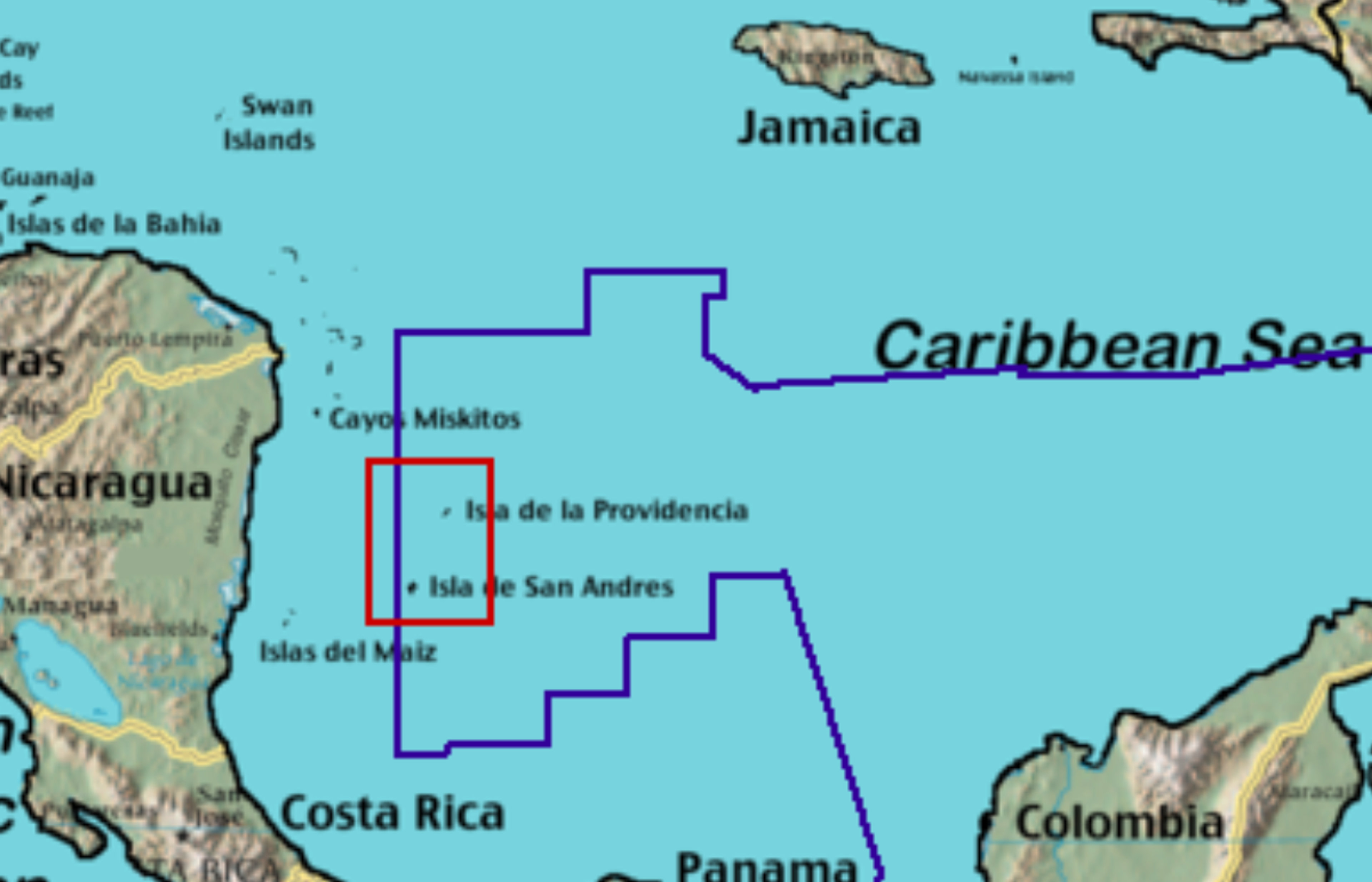
Credit: Wikimedia Commons (wlll put this file seoparately for you with correct links)
Coral Reefs and Hurricanes
Hurricane Iota ramped up to a class 5 category, the highest level possible on the Saffir-Simpson Hurricane Wind Scale — and became the strongest storm to hit the island of Providencia, part of the San Andres archipelago — in living history.
Hurricanes like Iota begin as level two dangerous winds that gain pace as they move over large bodies of warm water, collecting moisture and strength to become devastating level 3 cyclones. It was, in our recent past, unusual for a storm to gain level 5 violence, but due to climate change and warming oceanic temperatures, hurricanes like Iota are becoming all too frequent, wreaking havoc and causing crippling human and economic costs.
The Importance of MPAs for Coral Reef Restoration
MPAs, designated by governments in line with the 1992 Rio Earth Summit’s goal of protecting ten percent of the world’s water bodies, including seas, oceans, lakes, rivers, and estuaries, are underwater biodiversity hotspots. The global sustainable development goal 14.5 is to conserve and protect at least 10% of coastal and marine areas by 2030.
The rationale behind protecting large swathes of our ocean habitats is to preserve them and prevent over-fishing, pollution, and the impacts of tourism from harming them, allowing the coral reefs, seagrass beds, kelp forests, mangrove jungles, and other sensitive ecosystems that support a myriad chain of marine life, to recover, become abundant — and replenish the sea.
Although the sea encompasses 70% of the earth’s surface, to this date, MPAs only cover 2.7% of its floor. This poor outcome for the marine environment is due to the collective failure of many world governments to recognise the vital need to conserve and protect these areas — or pay the ultimate price of climate-change-induced disaster.
Restoring Coral Reef MPAs Mitigates the Effects of Climate Change
Nature Magazine published a study finding MPAs to be competent tools for protecting biodiversity, restoring seafood and recreational fish stocks, and preventing climate change by absorbing excess carbon — called blue carbon.
Coral Reefs, like mangroves, seagrasses, and saltmarshes in coastal environments, not only sequester carbon and provide a nursery and breeding ground for marine plants and animals but also protect the coastline from storms or tsunami damage. When a disaster strikes, tons of carbon are re-released into the atmosphere — contributing further to climate change.
Therefore, avoiding disaster and finding ways to conserve our biospheres is the best step forward for humanity — and the UN has made this one of its sustainable development goals for 2030.
Conserve and sustainably use the oceans, seas, and marine resources for sustainable development -
UN Sustainable Development Goals, No 14
8 Coral Reef Facts Reef Rangers Need to Know:
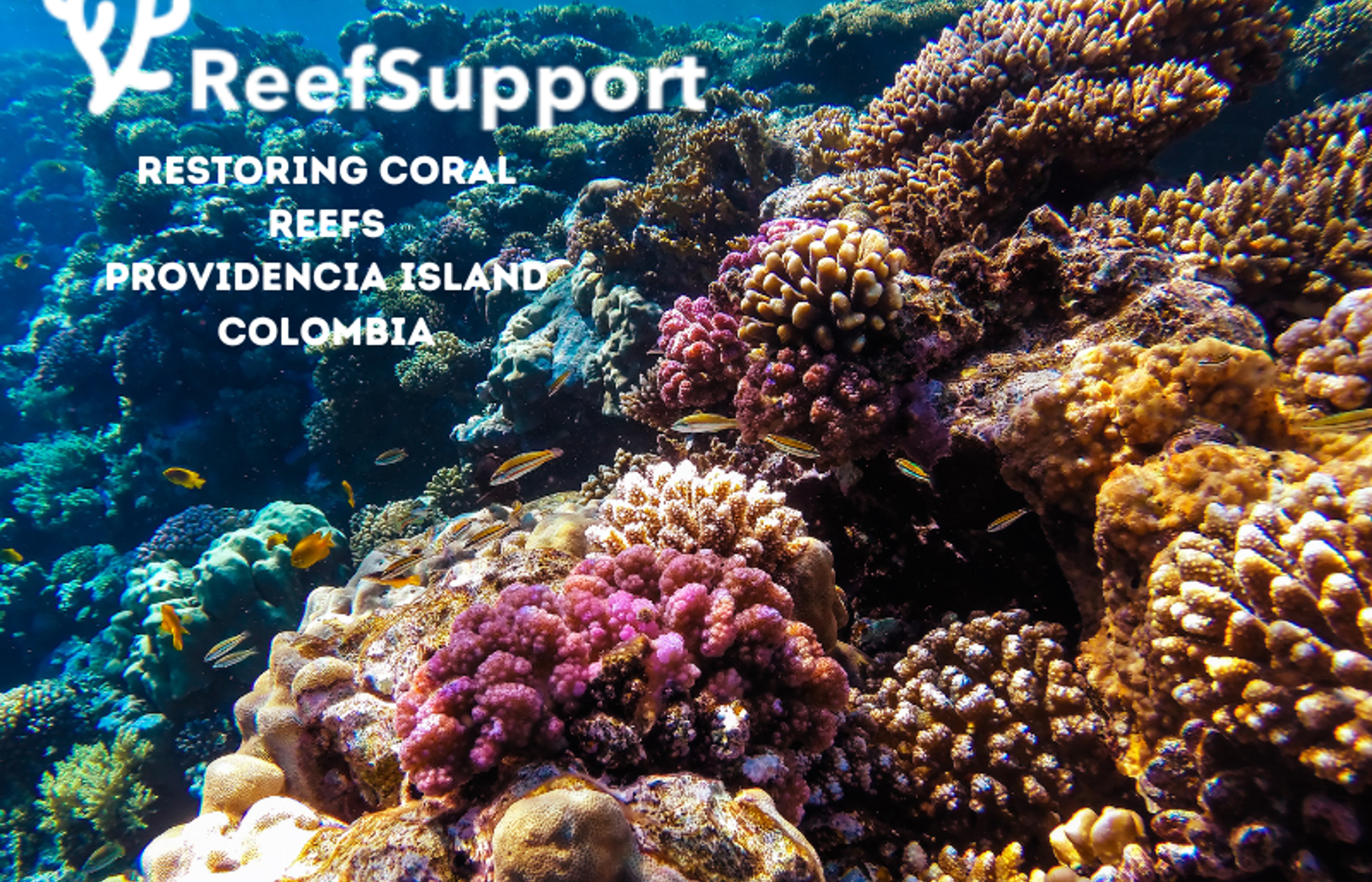
- The jagged stone-like structure of coral reefs weakens wave energy by 97% and protects the shoreline environment from damage.
- Coral reefs serve as a flood defence for over 200 million people along 71 000 kilometers of coastline.
- Coral reefs are home to millions of species of fish, mammals, plants, invertebrates, crustaceans, mollusks, sponges, seahorses, and turtles. And 91% of them remain unclassified.
- Coral reefs occupy 0.1% of Earth’s area, an area the size of Ecuador, yet they shelter 25 to 30% of all known marine species, and oceans cover 70% of the planet.
- Coral reefs contribute to 17% of edible meat — and mariculture production must increase by 36 to 74% to meet the dietary needs of 9.8 million people in 2050.
- Coral reefs are the most diverse marine ecosystems, making them more resilient to changing conditions.
- Coral reefs produce half the oxygen we breathe and sequester 70 to 90 million tons of carbon — per year.
- Corals have been around for at least 400 million years and grow at a typical rate of 0.008 to 0.12 inches per year.
Coral Reef Restoration Volunteers
Thanks to an exciting new scientific discovery, coral can now be grown in labs at rates that far outpace its slumbering growth in the wild — and then assimilated back onto the reef to integrate and propagate a living ecosystem. And this initiative needs plenty of volunteers to make it happen because all coral reefs are under severe threat — and time is of the essence if we are to preserve them for prosperity.
Reef Support is inviting four novice Reef Rangers to sign-up as scuba diving citizen scientists to actively participate in one of the most impactful coral reef restoration projects worldwide — led by Reef Support partner, Corales de Paz on Providencia Island.
Corales de Paz is a collaboration of scientific leaders and entrepreneurs with over ten years of experience in formulating and implementing citizen science programs aimed at the conservation of coral reefs — and over five years of experience developing technology and training programs on large-scale reef restoration.
They, in turn, have teamed up with aquaculture expert David Vaughan’s initiative, Plant One Million Corals — an inspiring challenge to replant and restore dying reefs with coral across the Caribbean and the world — before they disappear entirely.
Dave’s Coral Eureka Moment
David Vaughan, a leading marine biologist, accidentally discovered the secret to growing coral at rapid rates when he broke a piece of staghorn, a relatively fast-growing coral, into minute fragments — and noticed that after fragmenting, they regrew at an incredible pace in his laboratory aquarium. It was a ground-breaking discovery because, until only a few years ago, no one knew the technique — and cultivating corals in labs was a slow and painstaking process that seemed doomed to failure from the start.
But David’s discovery, which he called micro-fragmentation, changed everything. Within a few short years, he grew a variety of corals to almost adult size, whereas the same coral, unfragmented, might have taken 25 to 50 years. An astounding discovery indeed — and one which Coral de Paz is acting on — with a team of scuba diving volunteers — to rebuild Providencia’s reefs. Watch David’s informative video here.
Scuba Diving to Restore Coral Reefs
And you may now be wondering how scuba diving fits into growing and propagating live corals. It’s helpful to learn some basic facts about the biology of coral to understand how we restore them:
Coral Biology Explained
Corals are curious creatures in biology — a combination or mutual attraction of plants, animals, and minerals. The animal part of coral, called polyps, live glued together by a cement-like calcium carbonate (limestone) substance that they generate as part of their exoskeleton. They eat by capturing tiny animal plankton — and by absorbing carbon.
Polyps fuse into large colonies that can reproduce sexually and asexually, lending them a genetic advantage and added resilience to earth changes. Because of their sexual prowess, they’ve been around awfully long. The Great Barrier Reef is 500 million years old and has survived dinosaurs, comets, and ice ages.
A microscopic species of algae — a single-celled plant-like creature that can absorb sunlight to create energy and oxygen — called zooxanthellae dwells inside the polyp — within its mucous-like protective surface membrane. Zooxanthellae algae lend an advantage to the coral by converting sunlight to sugars and oxygen and supplying the corals with a primary food source. They also oxygenate the surrounding waters, bringing an influx of marine life and healthy biodiversity
Coral Colour Comes from Algae
Zooxanthellae lend colour to the corals; in fluorescent greens, pinks, yellows, oranges, and electric blues. When a coral dies, the algae depart, resulting in coral bleaching — or loss of healthy colour.
Coral Reef Gardening:
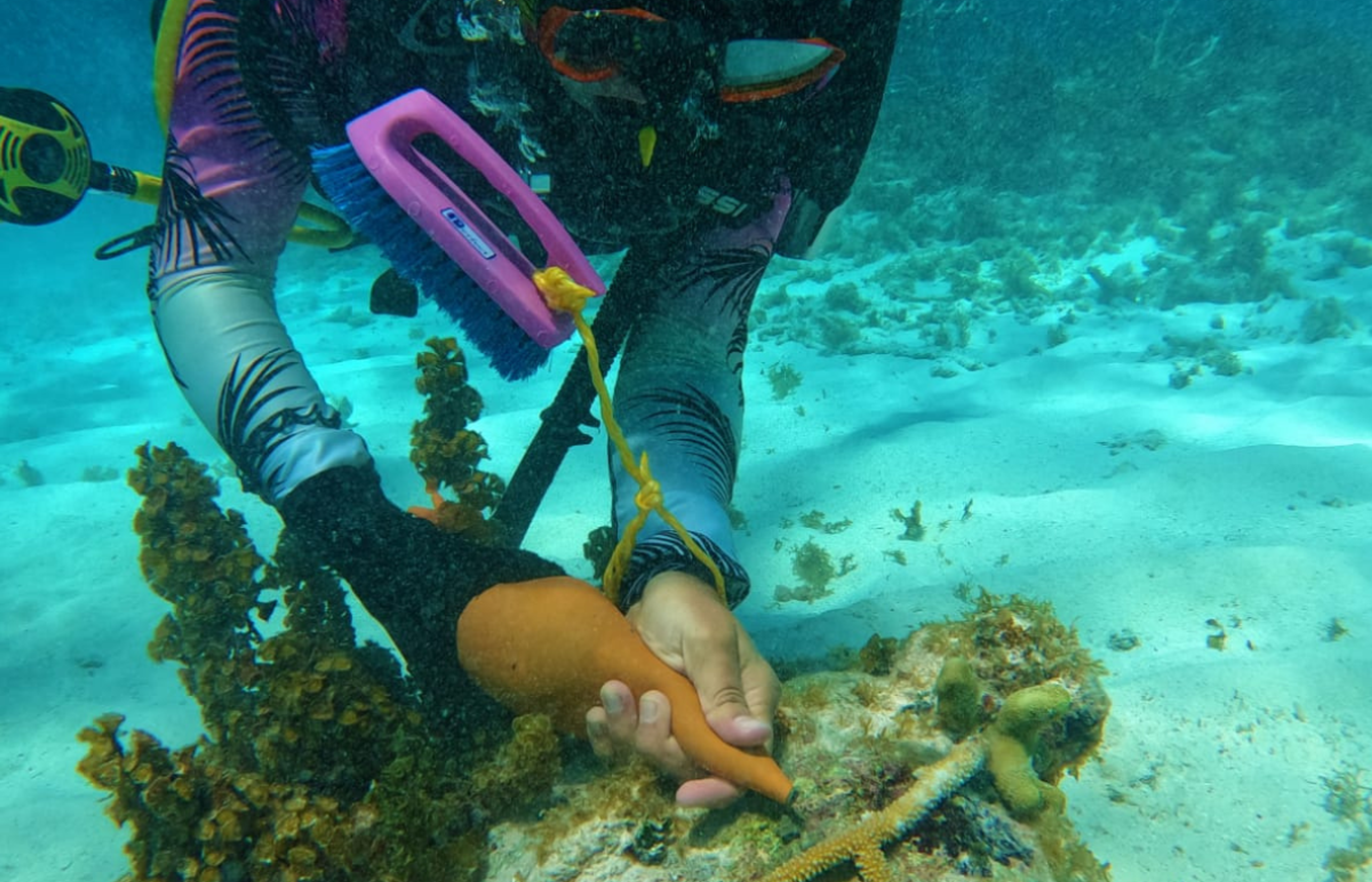
Credit Coral de Paz: Cementing Corals to Reef Structures
And that explanation brings us to coral reef gardening and some of the restoration work that Reef Support Reef Rangers will do under the guidance and tutelage of Coral de Paz in Providencia.
After their practical scuba training, candidates will learn how to be coral gardeners, outplanting living coral onto pre-constructed or dead reefs underwater — using epoxy cement to glue small discs of baby corals a few centimeters apart. These tiles carry tiny colonies of hard corals that continue to grow and eventually fuse to become larger reef structures.
Hard corals like brain coral and some branching corals would take hundreds, if not thousands of years, to grow from one individual polyp. But David’s method is designed to rebuild reefs within decades.
Staghorn and elkhorn corals are also hard corals but grow faster — within decades rather than centuries. These critically endangered species are attached to vertical floating frames to facilitate their upward growth.
A lot of the work of a Reef Ranger as a citizen scientist — is monitoring and data collection, including taking photos, counting coral colonies, measuring growth, and noting sea conditions such as temperature, chlorophyll levels, and pH levels — all assisted by Reef Support’s impressive range of automated reef software tools and Open Coral AI platform.
You will learn to become a caretaker of the sea and its living creatures and become an intrinsic part of the process of restoring and healing our oceans.
Don’t Miss the Chance to Become a Custodian of the Sea in Providencia, Colombia — Only 4 Places Available for October 2022 Reef Support Reef Ranger Conservation Certification.
Sign up for this year’s Reef Ranger Training Course — and experience the feeling of returning life and hope to a remote island community through coral reef restoration and conservation with Reef Support: Protecting Coral Reefs in the Caribbean