
Coral Lab pilot
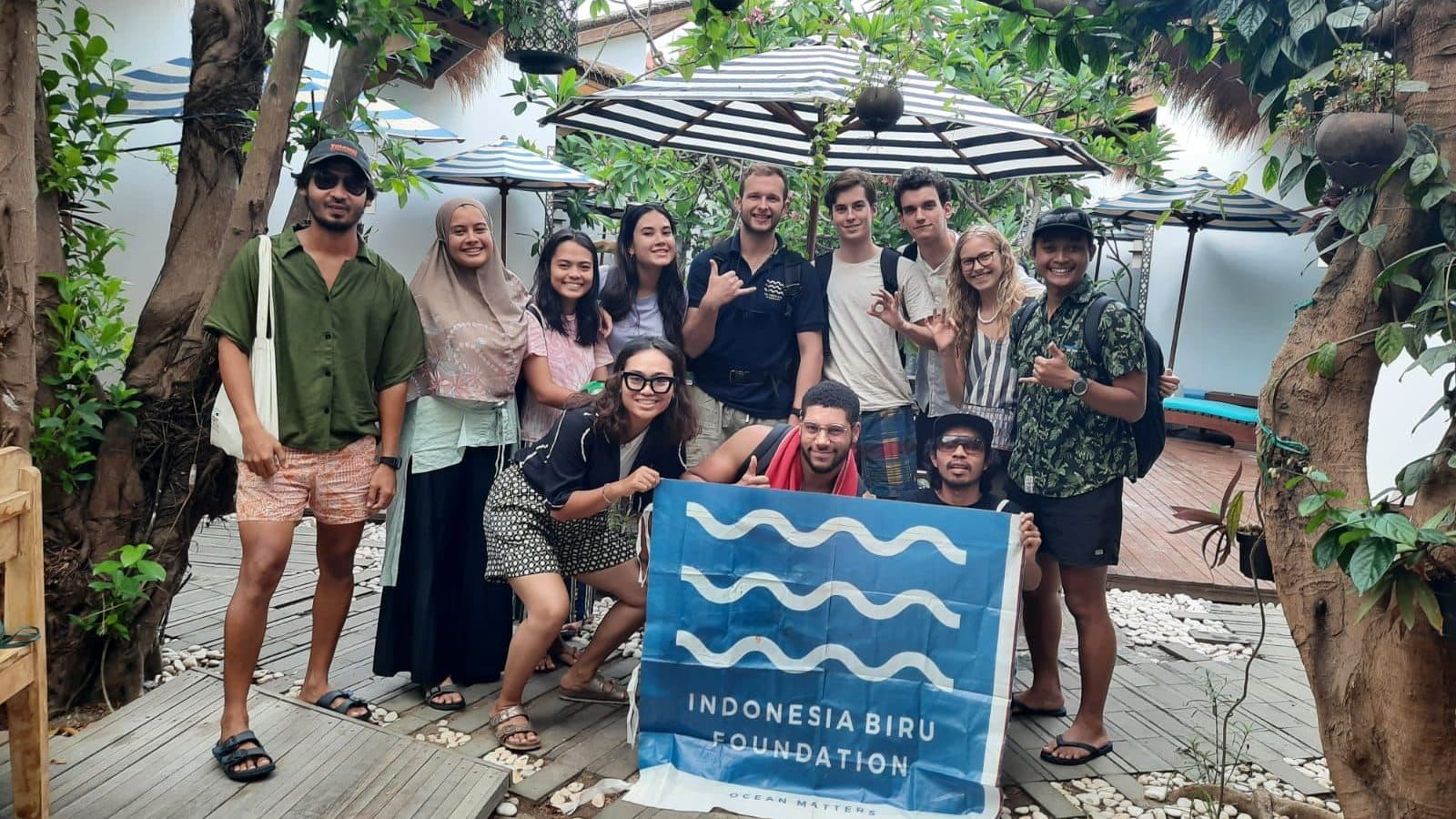
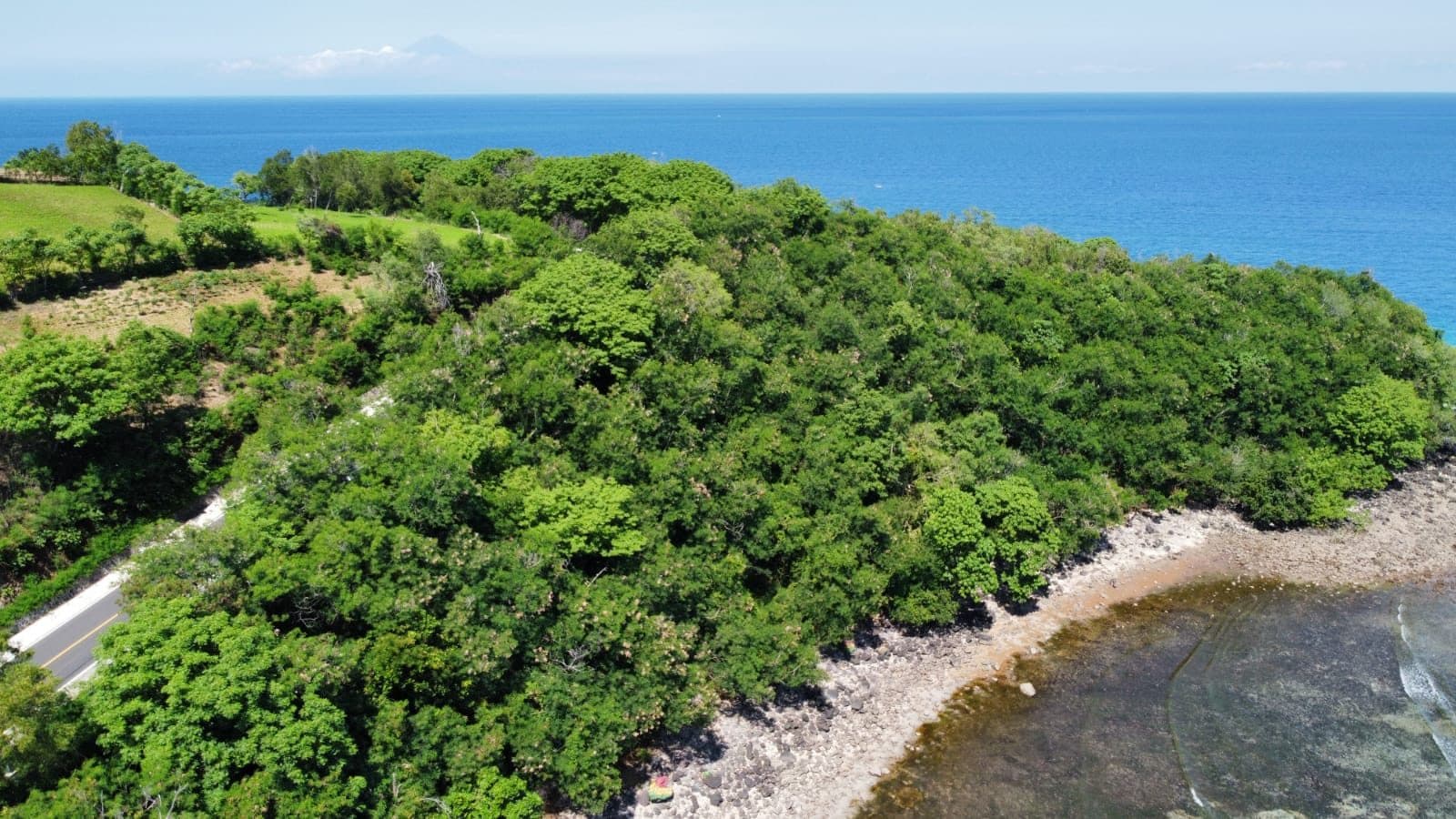
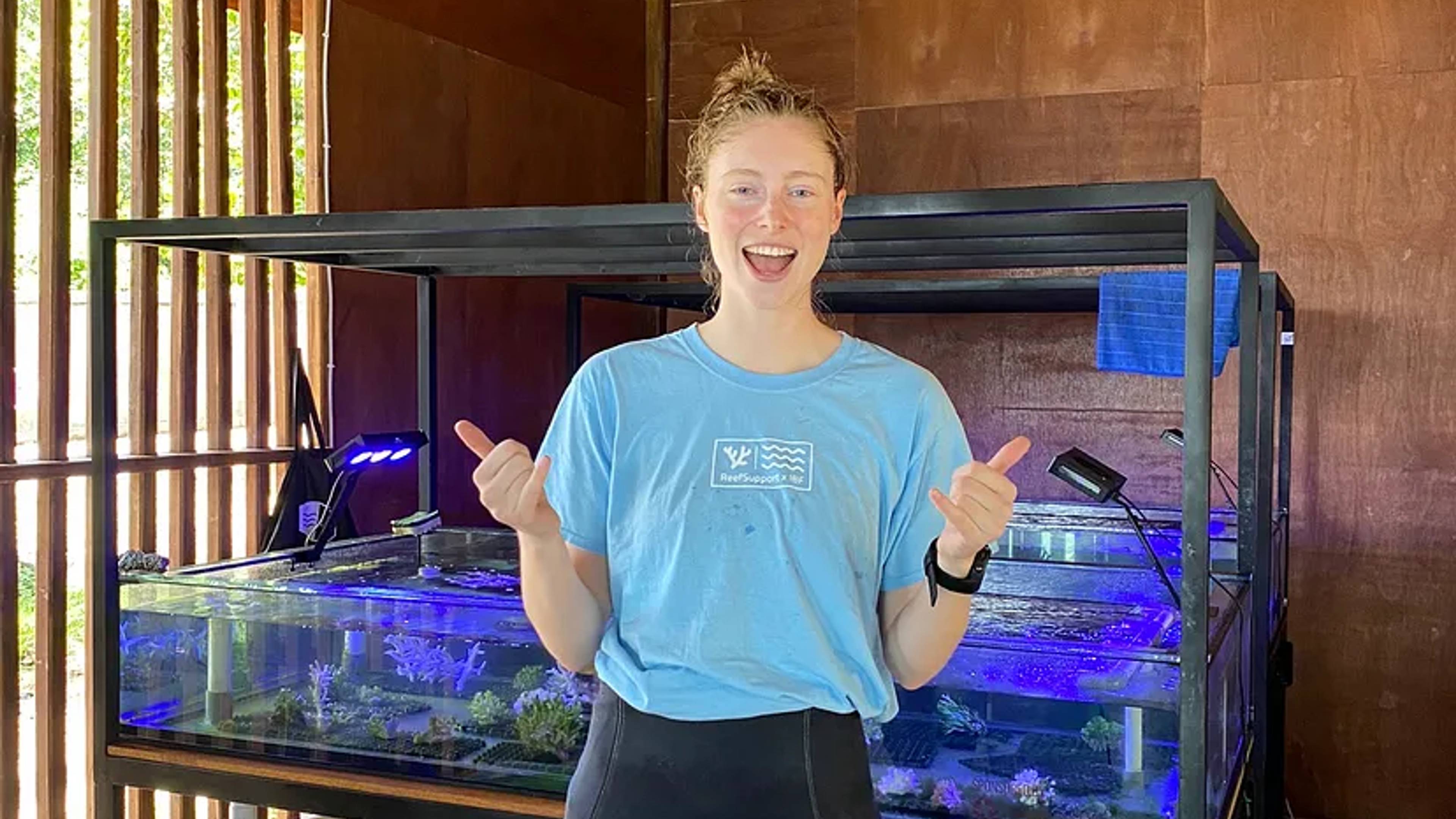
Lombok, Indonesia: Coral Lab with Indonesia Biru Foundation.
A real-world Coral Lab partnership: running nursery operations, restoration dives, and monitoring workflows alongside a local team.
Partnership snapshot
Reef Support works with Indonesia Biru Foundation (IBF) in Lombok to operate a coral lab that connects day-to-day nursery work with measurable field outcomes.
Based in Lombok, Indonesia. Restoration, research, and community development.
Visit IBFThe Indonesia Biru Foundation (IBF), founded in 2020, is committed to marine research, restoration, and community development in Lombok, Indonesia. IBF has planted over 5,500 coral fragments and 3,000 mangrove seedlings, worked with 12 local communities, and deployed over 1,500 marine structures. The foundation focuses on maximising restoration impact through research, engaging local communities for sustainable practices, and educating the public about marine ecosystems. Despite challenges like overfishing, habitat destruction, pollution, and global warming, IBF strives to protect Indonesia's coral reefs, which are vital for biodiversity, coastal protection, and the economy.
Nursery operations
Tank and facility routines, micro-fragment handling, and outplant readiness tracking.
Monitoring and evidence
Photo evidence, site context, and repeatable measurements that can feed reporting.

Local team workflows
Clear roles, handovers, and training loops that work with on-the-ground constraints.
Watch from the lab
Short videos from the Coral Lab partnership with IBF, filmed during the build-out and early operations.
How the lab works
Coral labs translate restoration science into repeatable routines: fragment handling, water-quality checks, growth observation, and safe transfer workflows into field planting sites. The goal is to increase survival odds by being consistent and by keeping evidence tied to each action.

Micro-fragment routines
Handle fragments carefully, record batches, and keep lab conditions stable during growth.

Outplant readiness
Prepare planting batches with clear provenance so field teams know what is going where.
Monitoring loops
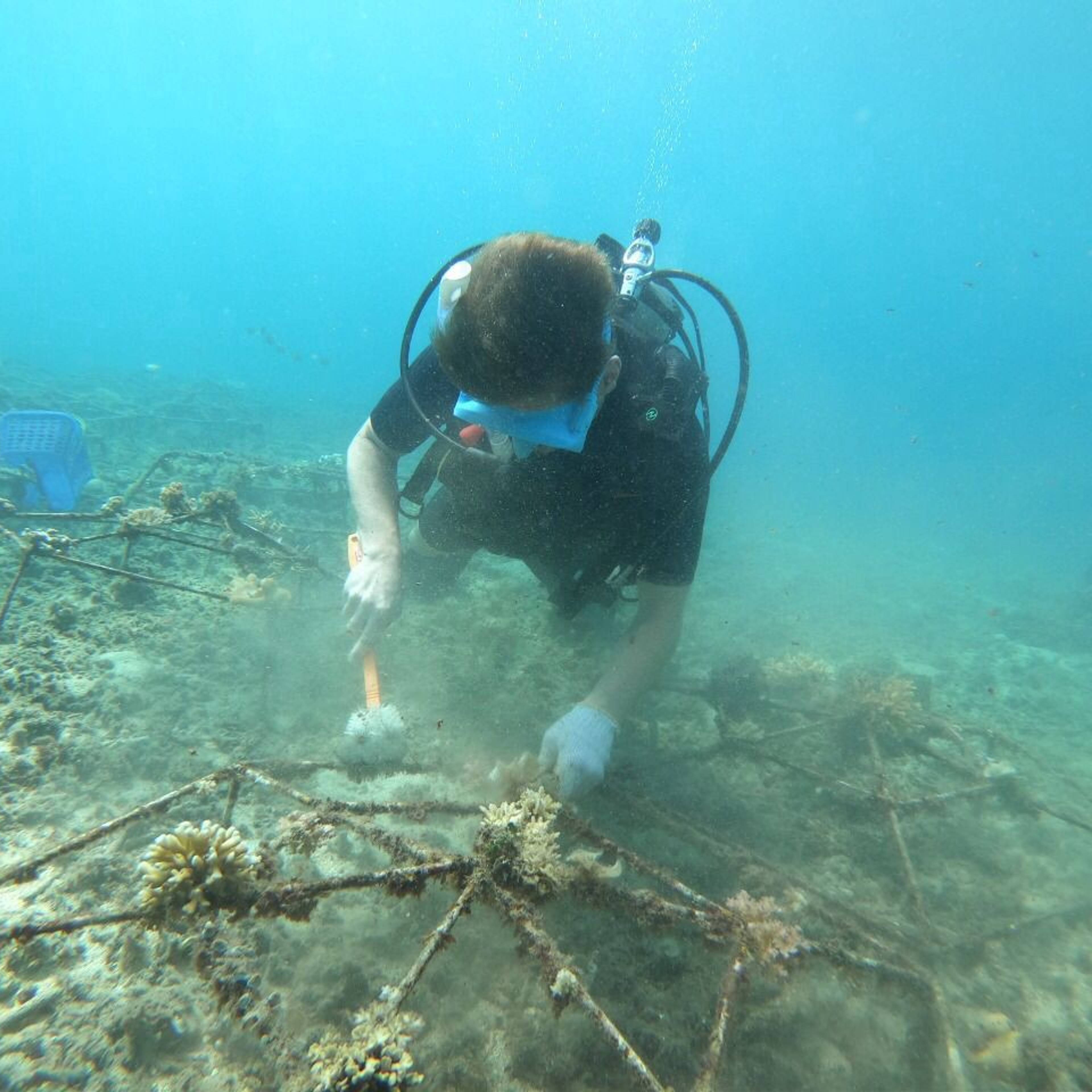
Repeatable dives and photo evidence help track what survives, grows, or needs intervention.
Students, local teams, and practical restoration
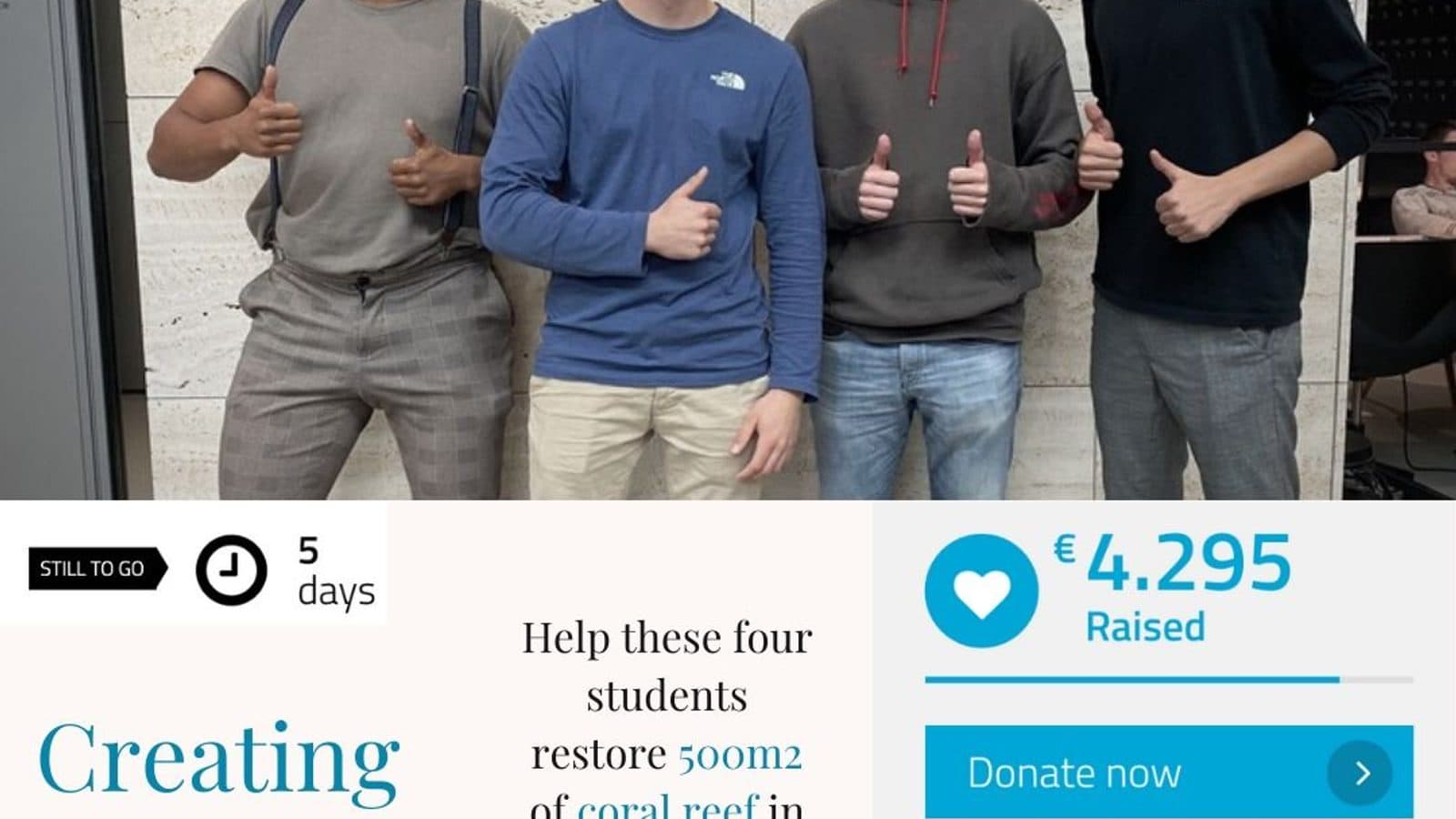
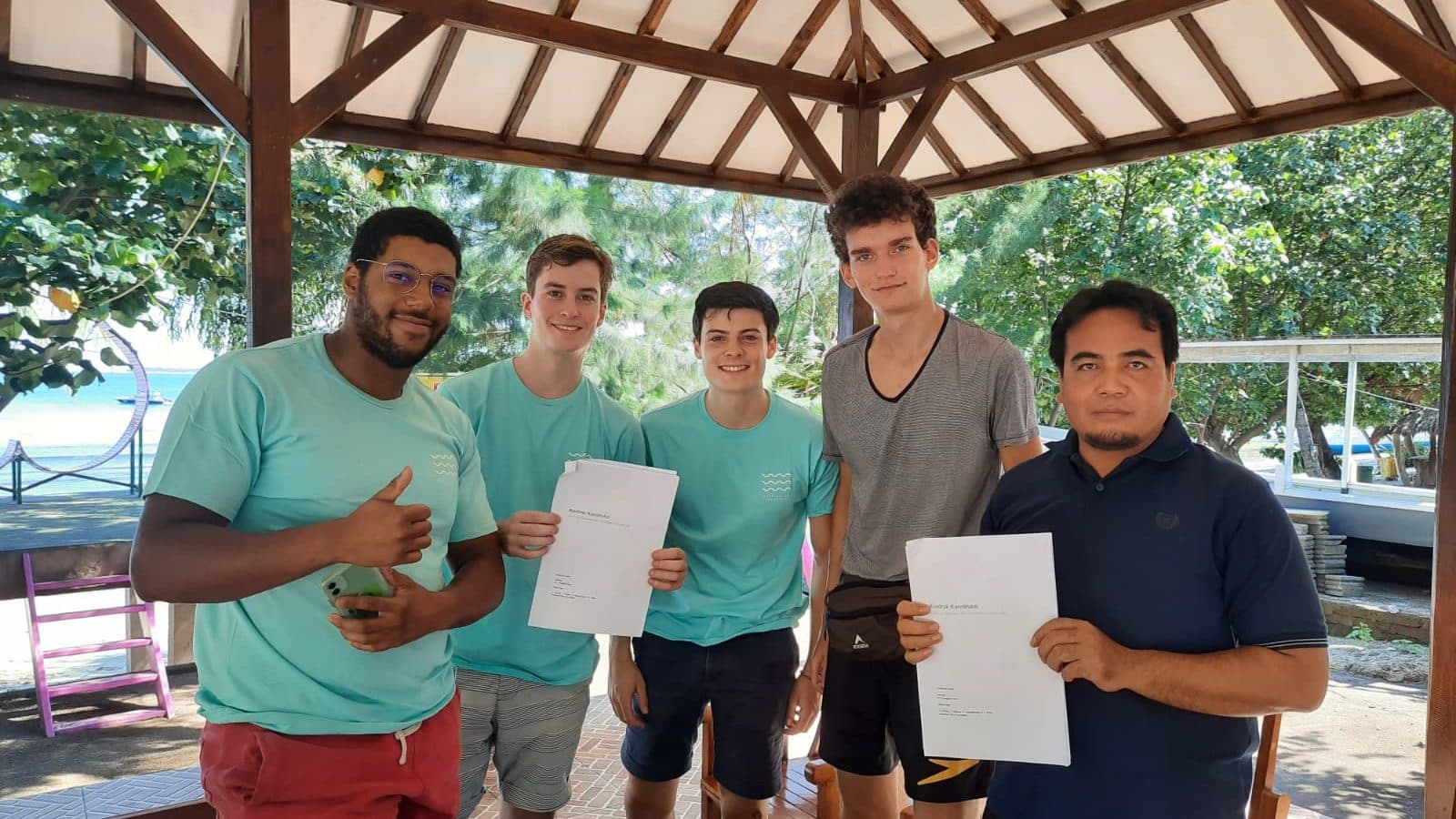
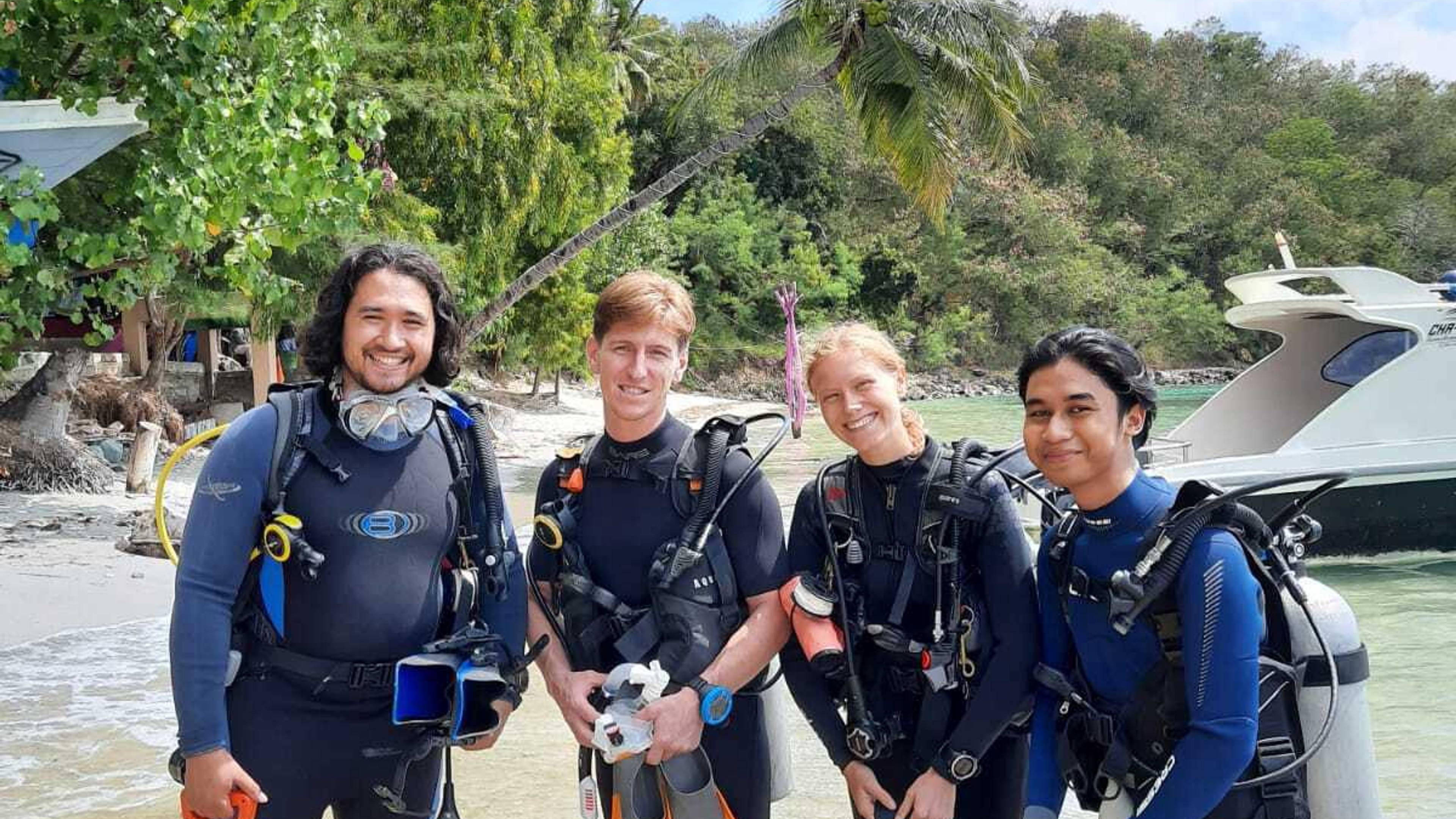
The Lombok Coral Lab story began as a hands-on build with students and local operators, and continues as a partner-run program that blends public learning with restoration work.
What we typically track
- Sites, boundaries, and baseline context
- Structures and fragment batches
- Outplant events and monitoring dives
- Photos, notes, and repeatable measurements

Want to launch a Coral Lab program?
If you have a restoration context, partner team, or site network, we can help design a practical pilot and the data workflow around it.